
No products added!

The Art of Abaya Layering: Beyond the Basics
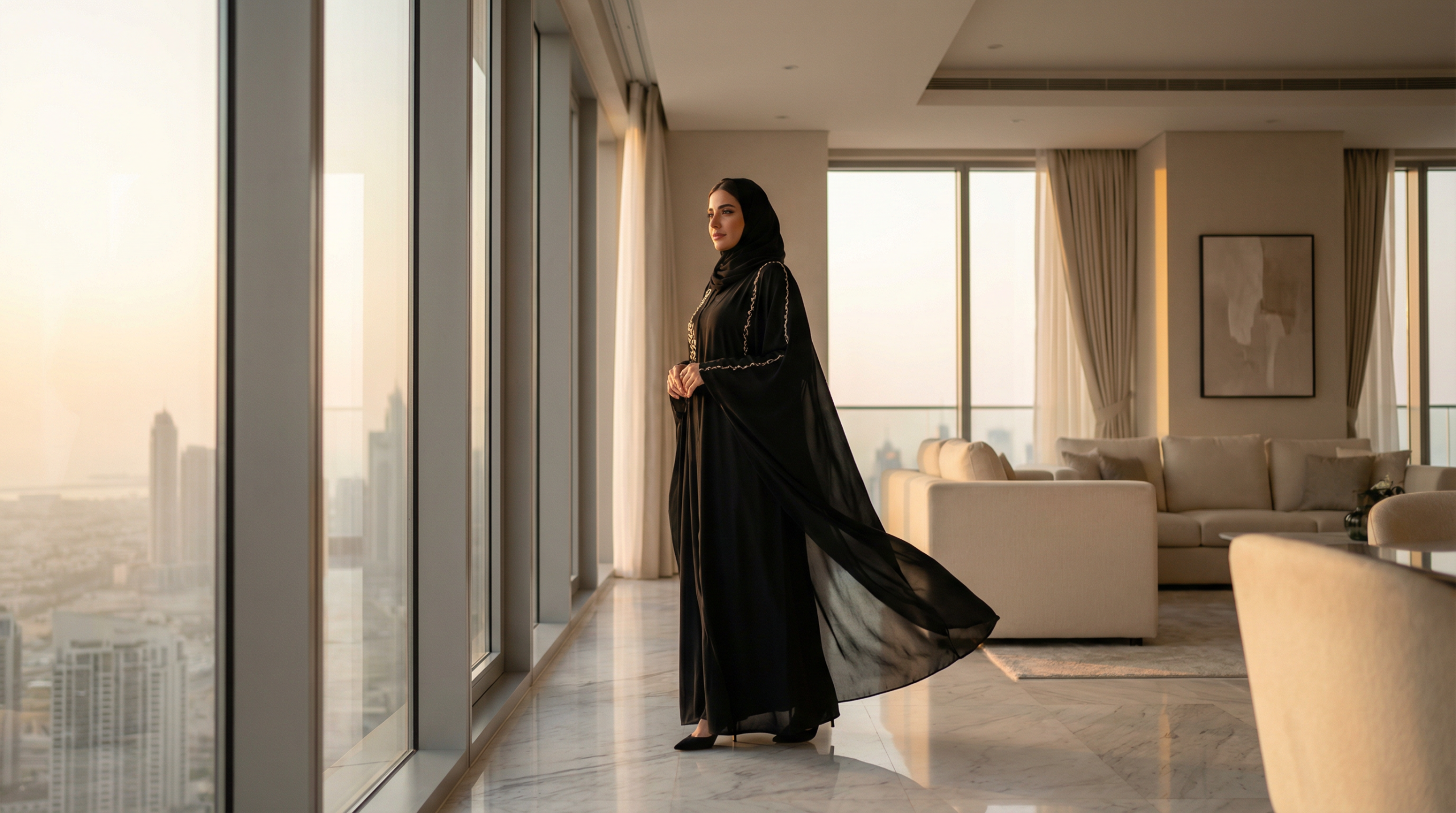
Layering beneath an abaya is far more nuanced than simply adding a tunic or dress underneath for modesty. In 2026, the conversation around modest fashion has matured significantly, and savvy women across the Gulf understand that strategic layering is the foundation of an elegant silhouette. Yet, many continue to make fundamental mistakes that inadvertently add bulk, disrupt the abaya’s natural drape, or create unflattering proportions.
The truth is that incorrect layering can undermine even the most exquisite abaya. When inner garments fight against the outer layer’s fabric weight or cut, the result is visual discord that no amount of accessorizing can fix. Understanding how to layer properly for your unique body type transforms the abaya from a modest covering into a statement of refined personal style.
Identifying Your Silhouette: Understanding Body Types for Flawless Layering
Before addressing layering techniques, honest self-assessment is essential. Body types generally fall into several categories: rectangular (balanced shoulders and hips), pear-shaped (narrower shoulders, fuller hips), apple-shaped (fuller midsection, slimmer legs), hourglass (defined waist with balanced proportions), or inverted triangle (broader shoulders, narrower hips).
Each silhouette interacts differently with fabric volume and structure. A pear-shaped figure, for instance, requires different layering strategies than an inverted triangle to achieve visual balance. The key is recognizing that your body type isn’t a limitation—it’s simply information that guides smarter styling decisions.
Common Layering Missteps: What to Avoid for Each Body Type
For pear-shaped figures, the most frequent error is wearing voluminous skirts or palazzo pants beneath fitted abayas. This creates excessive fabric pooling at the hips, exaggerating width precisely where you want to minimize it. Instead, streamlined bottoms in lightweight fabrics maintain clean lines.
Apple-shaped individuals often make the mistake of layering thick, stiff fabrics around the midsection. This adds unwanted bulk and prevents the abaya from skimming gracefully over the body. Structured undergarments in breathable materials create a smoother foundation without adding volume.
Those with rectangular frames sometimes wear completely unstructured inner layers, causing the abaya to hang like a tent. Without any definition underneath, the overall effect appears shapeless. Strategic placement of structure—perhaps at the shoulders or with a subtle belt beneath—creates gentle curves.
Inverted triangle body types frequently over-layer on top, adding shoulder pads or thick collar details that make the upper body appear even broader. Minimalist necklines and smooth shoulder lines beneath the abaya create better proportional balance.
Mastering the Modest Aesthetic: Layering Techniques for a Flattering Look
Creating vertical lines through your layering choices is universally flattering. Long, narrow silhouettes beneath the abaya—such as fitted long-sleeve tops paired with straight-leg trousers—elongate the figure and prevent bunching. Avoid horizontal breaks in color or pattern that visually cut your height.
For hourglass figures, the goal is preserving that natural waist definition without creating excessive volume. A fitted slip dress or bodysuit beneath a flowing abaya maintains those curves while allowing the outer garment to drape beautifully. The inner layer should whisper your shape, not shout it.
Petite frames benefit enormously from monochromatic layering. Matching your undergarments’ color to your abaya creates an unbroken line that adds perceived height. Avoid chunky knits or heavy fabrics that overwhelm smaller frames.
Fabric Fusion: Choosing Inner Wear for Optimal Abaya Draping
The relationship between your abaya’s fabric and your inner layers determines the entire ensemble’s success. Lightweight abayas in chiffon or crepe demand equally delicate undergarments—think silk slips or modal jersey. Heavier fabrics like wool or structured cotton can support slightly more substantial inner layers without losing their elegant drape.
Natural fibers breathe better in the Gulf climate while maintaining their shape throughout the day. Synthetic materials may create static, cause the abaya to cling awkwardly, or trap heat uncomfortably. For year-round wear in 2026, invest in quality cotton, bamboo, or silk-blend undergarments that move with you rather than against you.
Consider fabric weight distribution carefully. If your abaya has embellishment or heavier fabric at the shoulders, keep that area light underneath. Conversely, if the abaya is more fitted through the bodice, ensure your inner layer lies completely flat without seams, tags, or texture that might show through.
Elevate Your Ensemble: Styling Details & Accessories in Layered Looks
Once the foundation is correct, subtle details elevate the entire look. A delicate belt worn beneath an open abaya can define the waist without breaking the modest silhouette. Layering textures—such as a smooth silk camisole under a textured knit under a flowing abaya—adds sophisticated depth.
Neckline choices matter significantly. If your abaya has a dramatic neckline, keep underneath layers simple and high-necked. For classic round-neck abayas, you have more freedom to experiment with collared shirts or turtlenecks that peek through elegantly.
Key Takeaways for Graceful Abaya Layering
Successful layering is an evolving practice that honors both modesty and individual beauty. Start by understanding your body type, then select inner garments that complement rather than compete with your abaya’s fabric and structure. Avoid adding unnecessary bulk, maintain vertical lines for elongation, and choose quality natural fibers that drape beautifully. Remember that the most elegant modest fashion appears effortless—a result that comes from thoughtful, informed choices about what lies beneath.