
No products added!
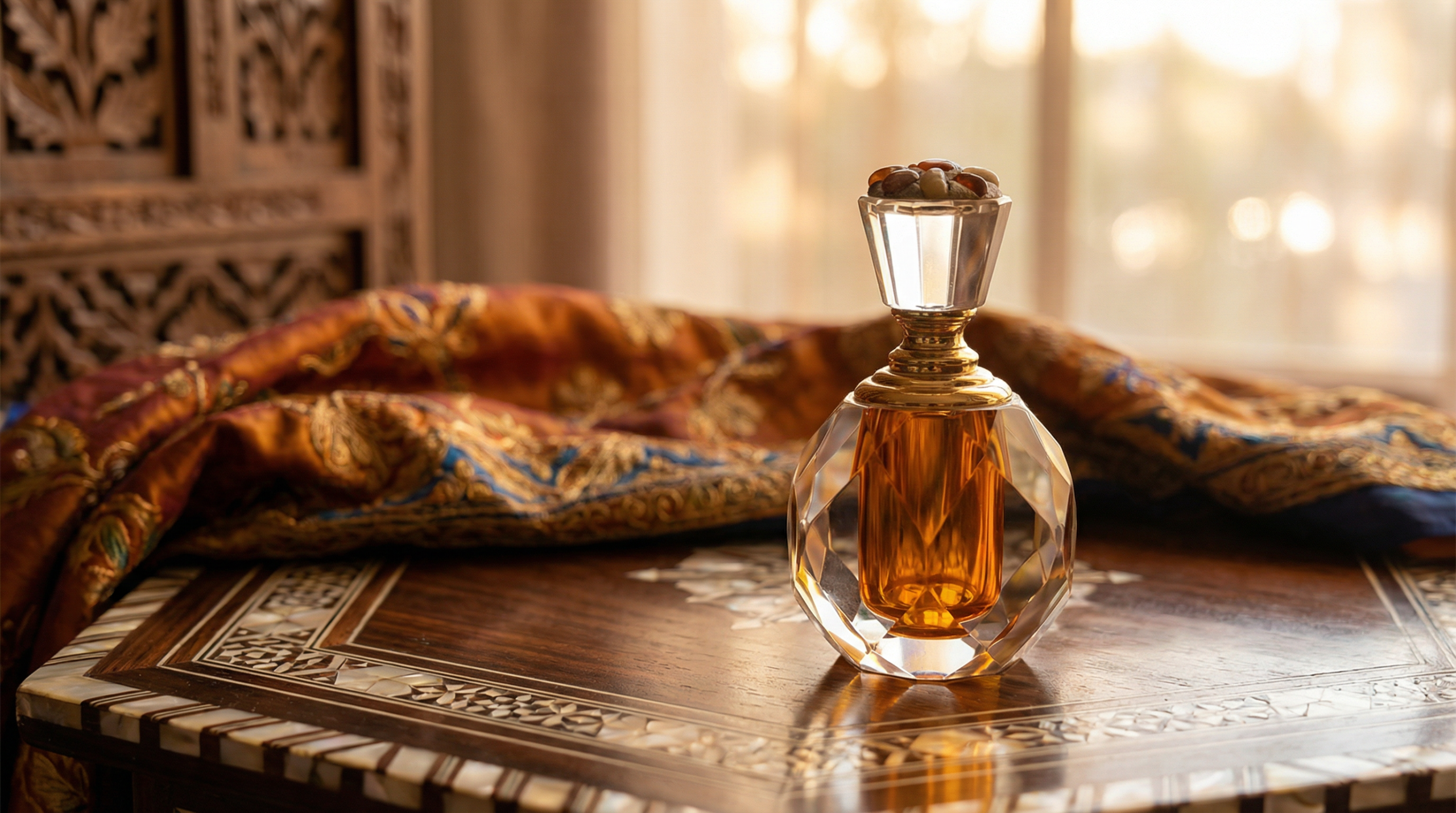

In the world of luxury perfumery, few ingredients command the reverence and timeless appeal of sandalwood. This creamy, woody essence has woven itself into the fabric of Arabian fragrance culture for centuries, creating an olfactory legacy that continues to captivate the modern GCC woman. Understanding sandalwood’s journey reveals not just a story of scent, but a narrative of spirituality, trade, and cultural identity that remains deeply relevant in 2026.
The Enduring Aura of Sandalwood: A Global Legacy
Sandalwood’s history stretches back over four millennia, with origins rooted in the ancient forests of India and the Indonesian archipelago. The precious heartwood, which requires trees to mature for at least 15 years before developing its characteristic aroma, became one of the most sought-after commodities along historic trade routes.
Arabian merchants recognized sandalwood’s exceptional qualities early on. Its remarkable longevity—both as a raw material and in fragrance compositions—made it invaluable for the long desert journeys between East and West. The wood’s natural resistance to insects and decay meant it could travel vast distances while retaining its aromatic potency.
By the time sandalwood reached the Arabian Peninsula through maritime spice routes, it had already earned legendary status across multiple civilizations. What distinguished the GCC’s embrace of this ingredient was the sophisticated way it became integrated into local traditions, elevating it beyond mere luxury to spiritual significance.
Sandalwood’s Sacred Journey: Spiritual and Cultural Roots in the GCC
Within Islamic culture, sandalwood occupies a unique position that transcends its purely olfactory appeal. The wood has been traditionally burned as incense during religious gatherings and personal meditation, creating an atmosphere of tranquility and contemplation. This practice connects directly to prophetic traditions that emphasized cleanliness and pleasant aromas.
Many Muslim women across the UAE and broader GCC region incorporate sandalwood into their daily spiritual routines. The scent is often used before prayer or special occasions, creating a personal ritual that bridges the physical and spiritual realms. This cultural integration means sandalwood carries emotional resonance that extends far beyond simple fragrance preference.
The distinction between Indian sandalwood (Santalum album) and Australian varieties (Santalum spicatum) matters significantly in this context. Indian sandalwood, with its richer, creamier profile and complex lactonic sweetness, has historically been most prized in GCC markets. However, sustainability concerns have led to greater appreciation for responsibly harvested Australian sandalwood, which offers similar benefits with a slightly earthier character.
From Ancient Trails to Modern Trails: Sandalwood in Oriental Perfumery
The evolution of sandalwood in Middle Eastern perfumery demonstrates remarkable continuity alongside creative innovation. Traditional attars—oil-based perfumes—have long featured sandalwood as a base note, where its fixative properties help other ingredients shine while providing lasting depth.
Contemporary GCC perfumery honors these roots while embracing modern extraction techniques. Steam distillation and CO2 extraction methods now capture more nuanced facets of sandalwood’s aroma profile, revealing subtle spicy and rosy undertones that complement the wood’s signature creaminess.
What makes sandalwood particularly valuable in 2026’s fragrance landscape is its versatility. It performs equally well in intensely concentrated bakhoor blends and lighter, more contemporary eau de parfum formulations that appeal to younger generations seeking connection to heritage without overwhelming intensity.
The Art of Blending: Sandalwood’s Harmony in GCC Fragrances
Sandalwood’s genius lies in its ability to enhance rather than dominate. In traditional Arabian compositions, it acts as the bridge between powerful animalic notes and delicate florals, creating coherence in complex blends.
Paired with oud, sandalwood provides creamy softness that tempers oud’s sometimes-intense smokiness. This combination appears frequently in premium fragrances throughout the Gulf, offering sophistication that appeals to refined tastes. With amber, sandalwood adds woody depth to amber’s warm sweetness, creating enveloping compositions perfect for cooler months.
The wood also harmonizes beautifully with musk, another cornerstone of GCC perfumery. Where musk brings sensuality and skin-like intimacy, sandalwood contributes meditative calm and grounding presence. Together, they create fragrances that feel both luxurious and comfortingly familiar.
Rose and sandalwood represent perhaps the most beloved pairing in Middle Eastern perfumery. The wood’s creamy texture provides the perfect canvas for rose’s multifaceted beauty, allowing the floral to bloom without becoming overwhelming.
Beyond Scent: Sandalwood’s Influence on Wellness and Rituals
The GCC’s relationship with sandalwood extends into wellness practices that have experienced renewed interest among modern women. Sandalwood powder mixed into skincare masks draws on centuries-old beauty traditions from across the Indian Ocean trade network, offering natural benefits alongside aromatic pleasure.
Sandalwood smoke from quality incense chips continues to be used for fumigating clothing and spaces, a practice that serves both practical and ceremonial purposes. This ritual preparation before gatherings or special occasions maintains living connections to ancestral customs.
Mental wellness applications have also gained recognition. The wood’s naturally calming properties make it valuable for stress relief and meditation practices, aligning with growing interest in mindful living throughout the UAE and neighboring countries.