
No products added!
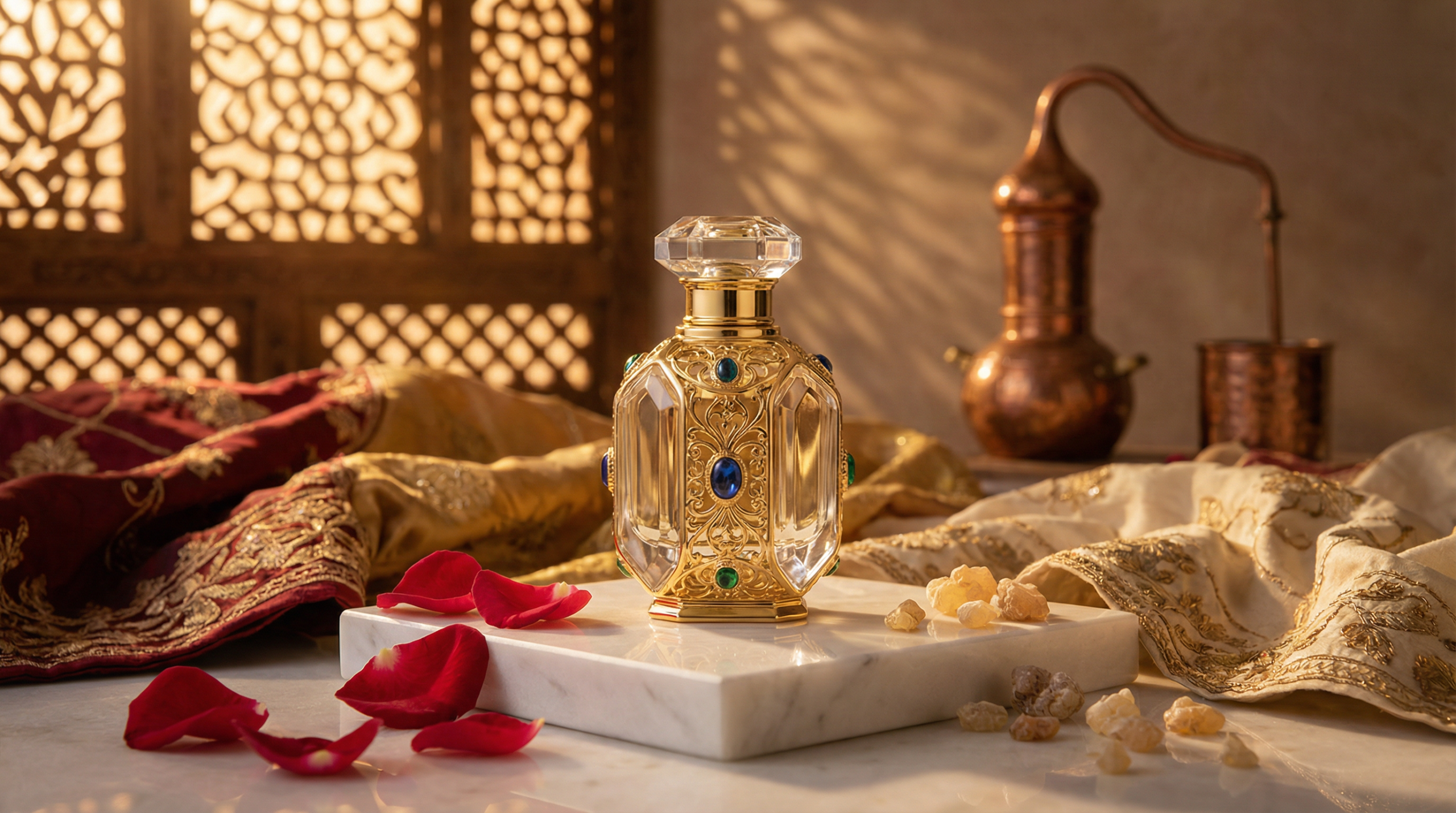

The Ever-Present Allure of Bakhoor: A Cultural Icon (Brief Context)
Walk through any souk in Dubai or traditional majlis across the Gulf, and the smoky tendrils of bakhoor weave through the air like invisible threads connecting past to present. This fragrant woodchip incense has become synonymous with Arabian hospitality and home ambiance. Yet this beloved tradition, as iconic as it is, represents just one chapter in the Middle East’s vast aromatic library.
The region’s fragrance heritage stretches back millennia, encompassing dozens of sophisticated practices that shaped global perfumery. Many of these traditions have faded from daily life, overshadowed by bakhoor’s commercial success and the convenience of modern synthetic fragrances.
Unearthing Forgotten Scents: Why These Traditions Faded
The disappearance of ancient fragrance practices wasn’t accidental. The 20th century brought seismic shifts to the Gulf’s economic landscape. As oil wealth transformed societies, traditional artisanal methods gave way to mass production and imported goods.
Historic trade routes that once funneled rare ingredients from Yemen, Oman, and East Africa shifted or dissolved entirely. Political instability in source regions made certain raw materials increasingly scarce. The Dhofar frankincense trade, for instance, never fully recovered its medieval prominence after colonial-era disruptions.
Urbanization played an equally significant role. As extended families moved from traditional homes to modern apartments, space-intensive fragrance preparation methods became impractical. The knowledge holders—often elderly women who mastered these arts—passed away before fully transmitting their expertise to younger generations absorbed in contemporary life.
Five Lost Fragrance Traditions Beckoning Rediscovery
1. Ward Taif Rose Water Distillation
The mountainous city of Taif in western Arabia once supplied the entire Islamic world with exquisite rose water through labor-intensive distillation. Farmers harvested damask roses at dawn, immediately processing them in copper alembic stills. This wasn’t merely for perfume—the precious liquid featured in religious purification, Quranic manuscript preservation, and elaborate wedding ceremonies. Industrial rose production from Turkey and Bulgaria eventually undercut Taif’s artisanal output, though small-scale revivals are emerging in 2026.
2. Ghaliya: The Queen’s Personal Blend
Historical texts describe ghaliya, an opulent paste perfume blending ambergris, musk, saffron, sandalwood, and rose. Unlike simple oil blends, ghaliya required months of maceration, with ingredients ground in marble mortars and aged in sealed containers. Royal households employed dedicated perfumers who guarded their specific ratios jealously. This tradition faded as ingredient costs soared—genuine ambergris and natural musk became prohibitively expensive for all but the wealthiest families.
3. Textile Scenting Through Dukhoon Cabinets
Before bakhoor burners became standard, affluent Gulf families maintained dukhoon cabinets—wooden wardrobes with perforated shelves. Fragrant materials smoldered in clay pots at the base while garments hung above, absorbing aromatic smoke for hours. This practice particularly perfumed wedding thobes and celebratory abayas, imbuing fabric fibers so deeply that scent lasted through multiple washings. Modern dry cleaning and synthetic fabrics made this time-intensive practice obsolete.
4. Myrrh and Frankincense Medical Fumigation
Ancient Arabian medicine prescribed specific fumigation protocols for postpartum care and respiratory ailments. Healers selected frankincense grades based on resin color and origin, combining them with myrrh in precise ratios. New mothers sat over these fumigations for forty days following childbirth—a practice called “taqmir.” As Western medicine gained dominance and hospital births became standard, these therapeutic fragrance rituals retreated to rural areas.
5. Enfleurage with Desert Flowers
In regions where jasmine, orange blossom, and wild herbs grew, perfumers practiced cold enfleurage—pressing flowers into purified animal fats to capture their essence. Glass-covered wooden frames held the fat, replaced with fresh blooms daily until saturated. The resulting pomade was then washed with alcohol to extract pure absolutes. This painstaking process couldn’t compete with modern steam distillation and synthetic replication.
Reviving the Past: The Enduring Legacy of Middle Eastern Perfumery
These faded traditions illuminate a sophisticated fragrance culture that influenced European perfumery during the Crusades and beyond. The aromatic knowledge of the medieval Islamic world—preserved in texts by Al-Kindi and Ibn Sina—laid groundwork for modern chemistry itself.
In 2026, renewed interest in artisanal craftsmanship and cultural heritage is drawing attention back to these practices. Small workshops are reviving traditional distillation methods, while fragrance enthusiasts seek out remaining knowledge holders to document their expertise before it vanishes entirely.
Understanding these lost traditions deepens appreciation for the region’s aromatic legacy. Each faded practice represents not just a scent, but an entire worldview—one where fragrance intertwined with medicine, spirituality, celebration, and daily life in ways far richer than today’s commercial market suggests. By learning these stories, lovers of Arabian perfumery connect with an inheritance that transcends any single ingredient or technique, no matter how beloved bakhoor may be.