
No products added!
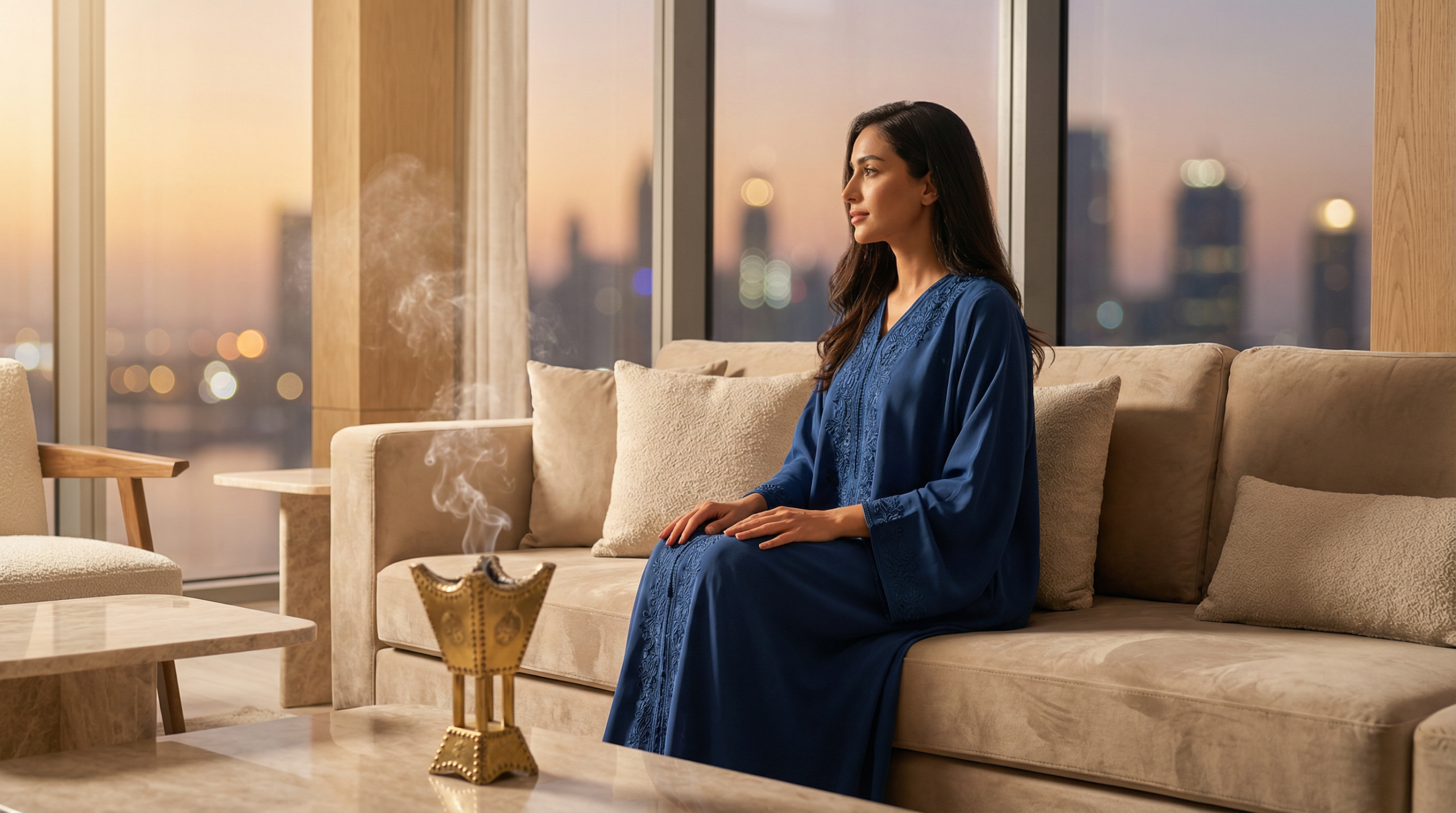

Unveiling Bakhoor: A Timeless Essence of Arabian Hospitality and Heritage
Bakhoor represents far more than an aromatic indulgence—it embodies centuries of Arabian tradition, spiritual practice, and cultural identity. These fragrant wood chips, often infused with precious oils and resins, have perfumed Middle Eastern homes for generations, creating an atmosphere of warmth and welcome that transcends mere scent.
The practice of burning bakhoor traces back to ancient trade routes when frankincense and myrrh journeyed across desert sands. Today in 2026, this ritual remains as relevant as ever, bridging ancestral wisdom with contemporary luxury living. For the modern GCC woman, understanding bakhoor means connecting with a heritage that has shaped Arabian identity while creating a sanctuary of tranquility within the home.
The spiritual dimension of bakhoor cannot be overlooked. Traditionally used for purification and blessings, burning bakhoor before prayers or during special occasions carries deep cultural significance throughout the Middle East.
The 2026 Bakhoor Beginner’s Toolkit: Essentials for a Modern Ritual
Starting a bakhoor practice requires minimal yet thoughtful equipment. The mabkhara, or incense burner, serves as the foundational piece. Traditional charcoal mabkharas offer an authentic experience, featuring ornate brass or ceramic designs that double as decorative objects when not in use.
Electric mabkharas have gained popularity in 2026, particularly among beginners. These modern alternatives eliminate concerns about open flames while providing consistent heat control. They suit apartment living and spaces where ventilation may be limited.
Charcoal tablets represent another essential component for traditional burning methods. Quick-light varieties ignite easily and maintain steady heat for extended burning sessions. Metal tongs prove invaluable for safely handling hot charcoal and adjusting bakhoor placement.
Different bakhoor forms cater to varying preferences and experience levels. Pressed bakhoor tablets offer convenience and consistent burning times. Wood chip varieties provide a more traditional experience with complex scent development. Powdered forms deliver intense fragrance but require more skill to prevent scorching.
Mastering the Scent: A Step-by-Step Guide to Burning Bakhoor Safely and Artfully
Begin by placing the mabkhara on a heat-resistant surface away from fabrics, curtains, and flammable materials. Position it in a central location where air can circulate freely while ensuring smoke reaches desired areas without overwhelming the space.
For charcoal burning, light the tablet using tongs and place it in the mabkhara. Wait until the charcoal develops a gray ash coating, indicating optimal temperature. Rushing this step often results in harsh, acrid smoke rather than elegant fragrance.
Add a small piece of bakhoor—approximately the size of a chickpea for beginners. Less proves more effective than excess, which can create overpowering smoke and waste precious materials. Monitor the scent development, adjusting placement on the charcoal to control intensity.
Ventilation remains crucial for both safety and scent quality. Open windows slightly to allow fresh air circulation while preventing smoke accumulation. This practice ensures the fragrance enhances rather than dominates the environment.
Timing matters significantly in bakhoor rituals. Most begin burning 30 minutes before guests arrive or when creating an evening ambiance. A single piece typically burns for 15-20 minutes, releasing waves of complex fragrance that evolve over time.
Beyond Fragrance: The Wellness and Cultural Significance of Bakhoor in the GCC
Bakhoor burning offers meditative qualities that align perfectly with mindfulness practices gaining momentum in 2026. The deliberate preparation, the focused attention required, and the sensory engagement create moments of intentional pause in busy modern lives.
In GCC homes, bakhoor signifies respect and hospitality toward guests. The practice of fumigating abayas and special occasion garments with bakhoor smoke infuses fabrics with lasting fragrance while honoring cultural traditions of presentation and care.
Wellness enthusiasts appreciate bakhoor for its aromatherapeutic properties. Oud-based varieties promote grounding and calm, while amber and rose combinations uplift mood and create warmth. The ritual itself encourages presence and appreciation of sensory experiences.
Cultural ceremonies throughout the year incorporate bakhoor as an essential element. Eid celebrations, weddings, and family gatherings all feature this aromatic tradition, creating olfactory memories that span generations.
Curating Your Bakhoor Collection: Exploring Types and Scent Profiles for Discerning Tastes
Oud-based bakhoor remains the gold standard, offering woody, complex profiles ranging from sweet to intensely animalic. Cambodian oud delivers lighter, slightly fruity notes while Indonesian varieties present deeper, more resinous character.
Floral bakhoor blends suit those preferring gentler fragrances. Rose and jasmine combinations create romantic, welcoming atmospheres perfect for entertaining. These varieties often incorporate sandalwood for depth and longevity.
Amber and musk formulations provide warmth and sensuality. These sweeter compositions work beautifully in cooler months and evening settings, creating cocooning atmospheres that encourage relaxation and intimate gatherings.
Modern 2026 trends emphasize sustainable sourcing and transparent ingredient lists. Discerning consumers increasingly seek ethically harvested oud and natural resins over synthetic alternatives, valuing quality and environmental responsibility.
Common Bakhoor Missteps to Avoid and How to Ensure a Flawless Aromatic Experience
Overloading the charcoal ranks as the most frequent beginner error. Excessive bakhoor creates thick, overwhelming smoke that obscures rather than showcases the fragrance’s nuanced layers. Starting with minimal amounts allows appreciation of scent development.
Neglecting charcoal preparation leads to inconsistent burning and unpleasant odors. Patience during the initial heating phase ensures clean, fragrant smoke rather than harsh chemical smells from incompletely ignited charcoal.
Poor placement causes fire hazards and ineffective scent distribution. Always maintain clear space around the mabkhara and consider air flow patterns within rooms for optimal fragrance circulation.
Storing bakhoor improperly diminishes its quality. Keep pieces in airtight containers away from direct sunlight and humidity to preserve potency and prevent scent degradation over time.
Key Takeaways for Your Bakhoor Journey
Approaching bakhoor as a mindful ritual rather than simple air freshening transforms the experience from functional to meaningful. Start with quality equipment suited to your living situation, whether traditional charcoal methods or modern electric alternatives. Remember that less bakhoor burns more beautifully than excess, allowing complex fragrances to develop properly. As you experiment with different scent profiles, you’ll discover combinations that resonate with your personal preferences while honoring the rich cultural heritage this ancient practice represents in contemporary GCC life.