
No products added!
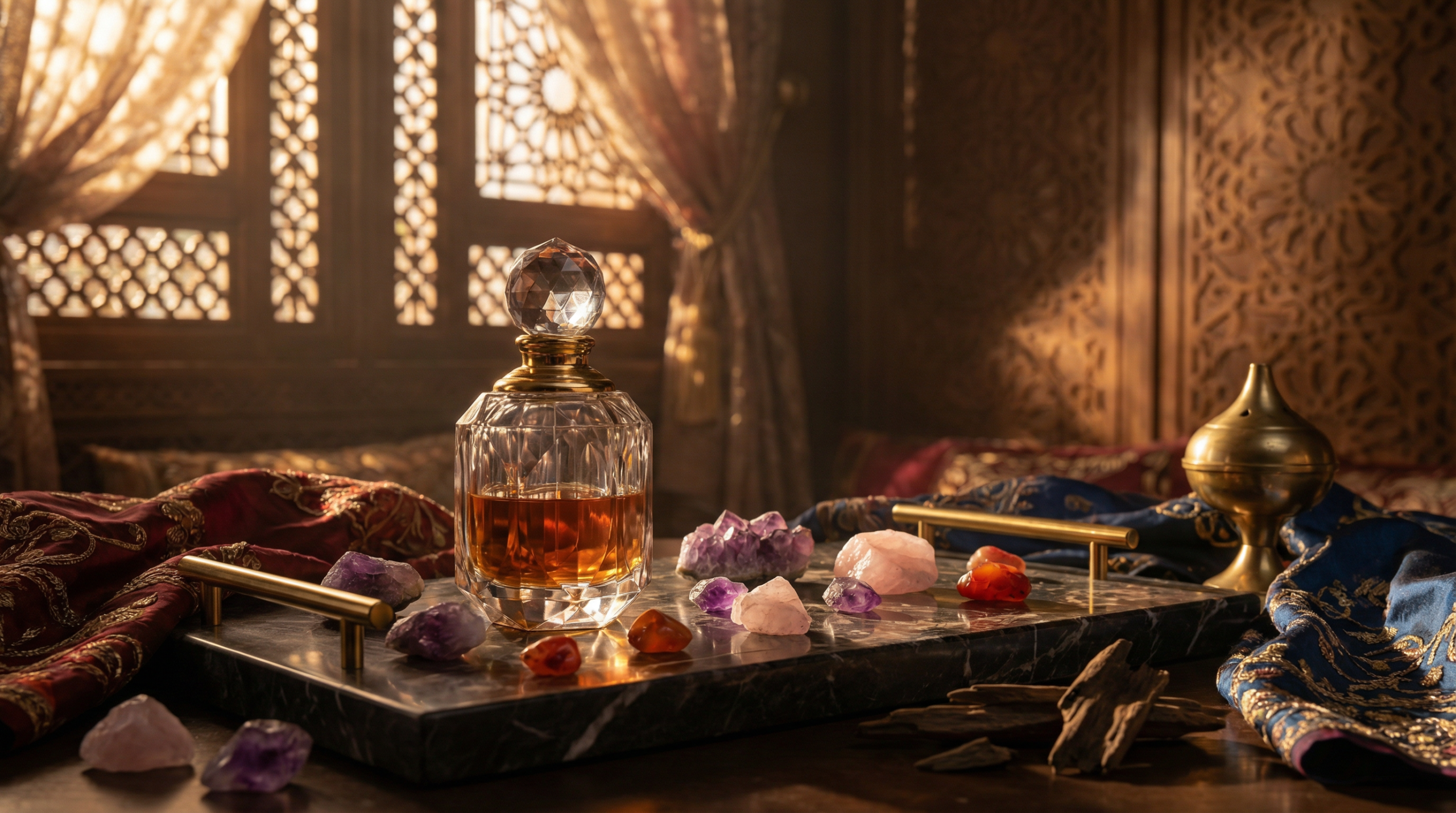

The Enduring Allure of Arabic Perfumery: A Cultural Tapestry
Arabic perfumery stands as one of the world’s most sophisticated fragrance traditions, woven deeply into the cultural and spiritual fabric of the Middle East. For centuries, the art of scent creation has held profound significance across the GCC, from the souks of Dubai to the heritage markets of Riyadh.
In 2026, this ancient craft continues to evolve while honoring its roots. The modern luxury perfume landscape in the UAE and broader Gulf region presents discerning consumers with an intriguing question: what role do natural oils and synthetic components play in creating truly exceptional Arabic fragrances?
Understanding this distinction empowers fashion-conscious Muslim women to make informed choices that align with both personal preferences and cultural values. The conversation extends beyond simple categorization—it’s about appreciating the artistry behind every bottle.
Decoding the Essence: Natural Oils in Luxury Arabic Fragrances
Natural perfume oils, particularly attars, represent the heartbeat of traditional Arabic perfumery. These concentrated botanical extracts have been cherished for millennia, distilled from flowers, woods, resins, and spices through time-honored methods.
The crown jewel remains oud, extracted from agarwood trees. This precious ingredient offers unparalleled depth and complexity, with each batch varying slightly based on terroir and distillation techniques. Rose otto, amber, sandalwood, and frankincense complete the classic natural palette that defines luxury Middle Eastern fragrances.
Natural oils possess unique characteristics that appeal to traditionalists and purists. They develop beautifully on skin, creating an intimate scent experience that evolves throughout the day. The warmth of body temperature activates these oils, releasing layered aromatic notes that feel deeply personal.
From a cultural perspective, natural attars align with Islamic traditions of personal cleanliness and beautification. Many appreciate that these alcohol-free formulations respect religious sensibilities while offering exceptional longevity. A single drop can perfume skin for hours, making them economical despite premium pricing.
However, natural ingredients face challenges. Harvesting rare botanicals raises sustainability concerns, and supply fluctuations can affect availability and consistency. Climate change increasingly impacts delicate growing regions, making certain natural materials scarcer each year.
The Innovation Palette: Understanding Synthetics in Modern Arabic Perfumery
Synthetic fragrance molecules have revolutionized perfumery since their introduction in the late 19th century, and by 2026, they’ve reached unprecedented sophistication. These laboratory-created compounds aren’t inferior substitutes—they’re precision tools that expand creative possibilities.
Advanced synthesis allows perfumers to capture scents impossible to extract naturally. Certain precious materials that would be prohibitively expensive or environmentally damaging to harvest can now be recreated molecularly. This technology democratizes luxury while protecting endangered species and habitats.
Synthetics excel in consistency. Each batch performs identically, ensuring the fragrance you love today smells exactly the same five years from now. This reliability matters significantly for those who invest in signature scents as part of their personal brand.
In the context of Arabic perfumery, synthetics enhance performance characteristics highly valued in the GCC climate. Molecules engineered for projection create powerful sillage that announces presence in spacious majlis settings. Heat-resistant compounds maintain integrity despite intense summer temperatures that might destabilize delicate natural oils.
The misconception that “synthetic equals cheap” undermines the reality of modern perfume chemistry. Premium synthetic materials can cost more than natural alternatives, particularly rare molecules developed through years of research.
Harmonizing Nature and Science: The Art of Luxury Blending in 2026
The most sophisticated Arabic perfumes in 2026 rarely exist at either extreme of the natural-synthetic spectrum. Instead, master perfumers choreograph both elements into harmonious compositions that showcase the strengths of each.
A luxury oud fragrance might feature authentic agarwood oil as its soul while employing synthetic musks to amplify longevity and projection. Natural rose absolute provides living, breathing complexity, while synthetic aldehydes add sparkling luminosity. This marriage creates fragrances that honor tradition while embracing innovation.
The blending philosophy reflects a broader truth: quality matters more than origin. A poorly sourced natural oil disappoints just as surely as a cheap synthetic compound. Discerning consumers in the UAE increasingly recognize that exceptional perfumery requires both masterful ingredient selection and skilled composition, regardless of molecular source.
This hybrid approach also addresses practical concerns. Ethical sourcing, environmental sustainability, and consistent quality all benefit when perfumers thoughtfully integrate natural and synthetic materials based on each project’s unique requirements.
Beyond Scent: The Gemstone Connection in Authentic Arabic Perfumes
The luxury Arabic perfume market in 2026 has embraced an ancient practice with renewed enthusiasm: gemstone infusion. This tradition, rooted in holistic wellness philosophies, introduces energetic dimensions to the fragrance experience.
Gemstones like amethyst, rose quartz, and carnelian are believed to carry specific vibrational properties that complement olfactory profiles. When incorporated into perfume bottles or used during maceration processes, these stones purportedly enhance the wearer’s emotional and spiritual state.
This concept resonates particularly with GCC consumers who appreciate perfume as more than cosmetic enhancement. The integration of chakra philosophies and gemstone energies creates a multisensory ritual that aligns with regional appreciation for holistic beauty practices.
Whether approached from spiritual or aesthetic perspectives, gemstone-infused perfumes represent the evolution of Arabic fragrance culture. They demonstrate how tradition adapts while maintaining its essential character—honoring heritage while embracing contemporary wellness movements.
Key Takeaways for Your Fragrance Journey
Understanding the natural-synthetic distinction in Arabic perfumery empowers you to appreciate the artistry behind each bottle. Natural oils offer living complexity and cultural authenticity, while synthetics provide consistency and expanded creative possibilities. The most exceptional fragrances in 2026 typically blend both elements masterfully.
When selecting luxury Arabic perfumes, focus on overall quality, composition skill, and how the fragrance makes you feel. Whether enhanced with gemstones or composed purely for olfactory pleasure, your perfect scent awaits in the balance between tradition and innovation. Trust your instincts, educate yourself about ingredients, and embrace the rich heritage that makes Arabic perfumery truly distinctive.