
No products added!
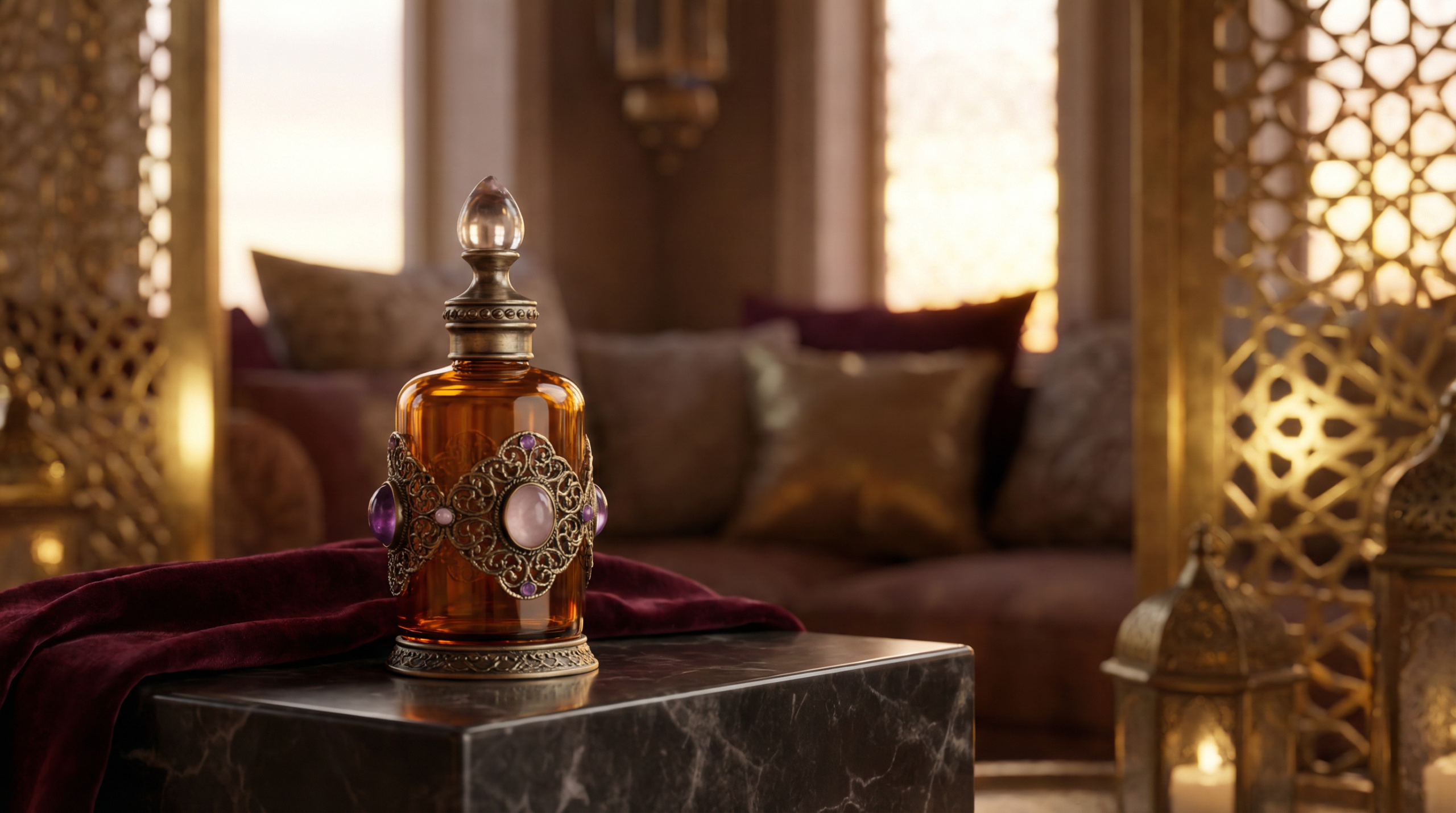

For centuries, Arabic perfume oils have captivated the senses with their rich, complex compositions and unparalleled longevity. These concentrated fragrances represent far more than mere scent—they embody a cultural heritage deeply woven into Middle Eastern traditions of hospitality, celebration, and personal refinement.
As 2026 unfolds, the world of Arabic perfumery continues to evolve while honoring its timeless roots. For beginners seeking to enter this fragrant realm, understanding the fundamentals opens doors to a profoundly personal olfactory journey.
Unveiling the Timeless Allure of Arabic Perfume Oils: A Cultural Heritage
Arabic perfume oils, known traditionally as attars or mukhallats, differ fundamentally from Western alcohol-based fragrances. These oil-based compositions contain no alcohol, resulting in a purer, more intimate scent experience that sits closer to the skin.
The concentration of these oils means a single drop carries extraordinary potency. Where Western perfumes might dissipate within hours, quality Arabic oils can linger for twelve hours or more, evolving beautifully throughout the day.
In Gulf cultures, the application of perfume oil holds ceremonial significance. Hosts offer fragrance to guests as a gesture of welcome and respect. Women incorporate these scents into their daily rituals, creating invisible signatures that reflect their personality and refinement. This cultural context elevates perfume from commodity to cherished tradition.
Understanding the Scent Sensation: Key Notes and Categories for the Beginner
Mastering Arabic perfumery begins with recognizing its foundational notes. Oud, perhaps the most iconic ingredient, delivers deep, woody, almost mystical warmth. Derived from agarwood, its complexity ranges from smoky to sweet, often forming the heart of luxury compositions.
Musk provides sensual, skin-like softness that enhances longevity and creates intimacy. Amber adds golden warmth with resinous sweetness, while rose—particularly the prized Taif rose—contributes floral elegance without overwhelming delicacy.
Sandalwood rounds out many formulations with creamy, meditative woodiness. These ingredients rarely stand alone; the art lies in their blending. A well-crafted mukhallat might layer oud’s intensity with rose’s brightness and musk’s subtlety, creating harmonious depth impossible to achieve with single notes.
For beginners in 2026, starting with simpler compositions helps develop your olfactory vocabulary before exploring more complex blends.
Beyond the Bottle: The Art of Application and Longevity for 2026
Application technique dramatically affects how perfume oil performs. Pulse points—wrists, neck, behind ears, inner elbows—generate warmth that activates and diffuses fragrance. The heat creates a gentle sillage without overwhelming projection.
A small amount suffices; one to two drops per pulse point provides hours of scent. Over-application wastes precious oil and can create cloying intensity rather than elegant presence.
Layering represents an advanced technique gaining popularity in 2026. Applying a base scent like sandalwood or amber, then adding a lighter note such as rose or jasmine, creates personalized complexity. This approach allows you to adjust intensity throughout the day while maintaining cohesive harmony.
Store oils away from direct sunlight and heat to preserve their integrity. Dark glass bottles in cool, dry spaces maintain potency for years, making quality oils an investment that appreciates with proper care.
Selecting Your Signature Scent: A Beginner’s Guide to Choosing with Confidence
Choosing your first Arabic perfume oils requires patience and self-awareness. Consider your natural body chemistry—scents transform on skin, so testing is essential. Apply a small amount and allow several hours to evaluate how notes develop and interact with your unique chemistry.
Think about occasions and seasons. Lighter florals and citrus-touched compositions suit daytime and warm weather, while deeper oud and amber blends shine during evenings and cooler months.
Your modest fashion choices can guide fragrance selection. If your wardrobe favors neutral, elegant tones, you might prefer understated sophistication in scent. Bold, richly colored pieces may pair beautifully with assertive, complex fragrances.
Visit specialty perfume markets or boutiques that allow unhurried exploration. Smell no more than three to four scents per session to avoid overwhelming your senses. Take notes on what resonates with you and why.
The Emerging Luxury: Exploring Gemstone-Infused Perfume Oils (Forecast 2026)
An intriguing development in 2026’s fragrance landscape involves gemstone-infused oils. This niche luxury segment incorporates precious and semi-precious stones into the perfume-making process, with proponents claiming enhanced energetic properties alongside olfactory pleasure.
Rose quartz, amethyst, and jade appear in formulations designed to offer holistic experiences beyond scent. While scientific validation remains limited, the concept appeals to those seeking mindful luxury that integrates wellness philosophies with fragrance appreciation.
These specialized oils command premium prices and represent the intersection of tradition with contemporary wellness trends. For beginners, they offer an optional path once foundational knowledge is established.
Key Takeaways for Your Fragrance Journey
Beginning with Arabic perfume oils in 2026 means embracing both heritage and innovation. Focus on understanding classic ingredients like oud, musk, and rose before exploring complex blends. Practice mindful application at pulse points, using restraint to achieve elegance rather than excess.
Allow your personal style, cultural context, and body chemistry to guide selections. Take time testing fragrances, noting how they evolve throughout the day. Whether you gravitate toward traditional attars or explore emerging gemstone-infused options, the journey toward finding your signature scent should be unhurried and deeply personal. Quality Arabic perfume oils reward patience with extraordinary beauty that becomes an invisible yet unforgettable part of your presence.