
No products added!
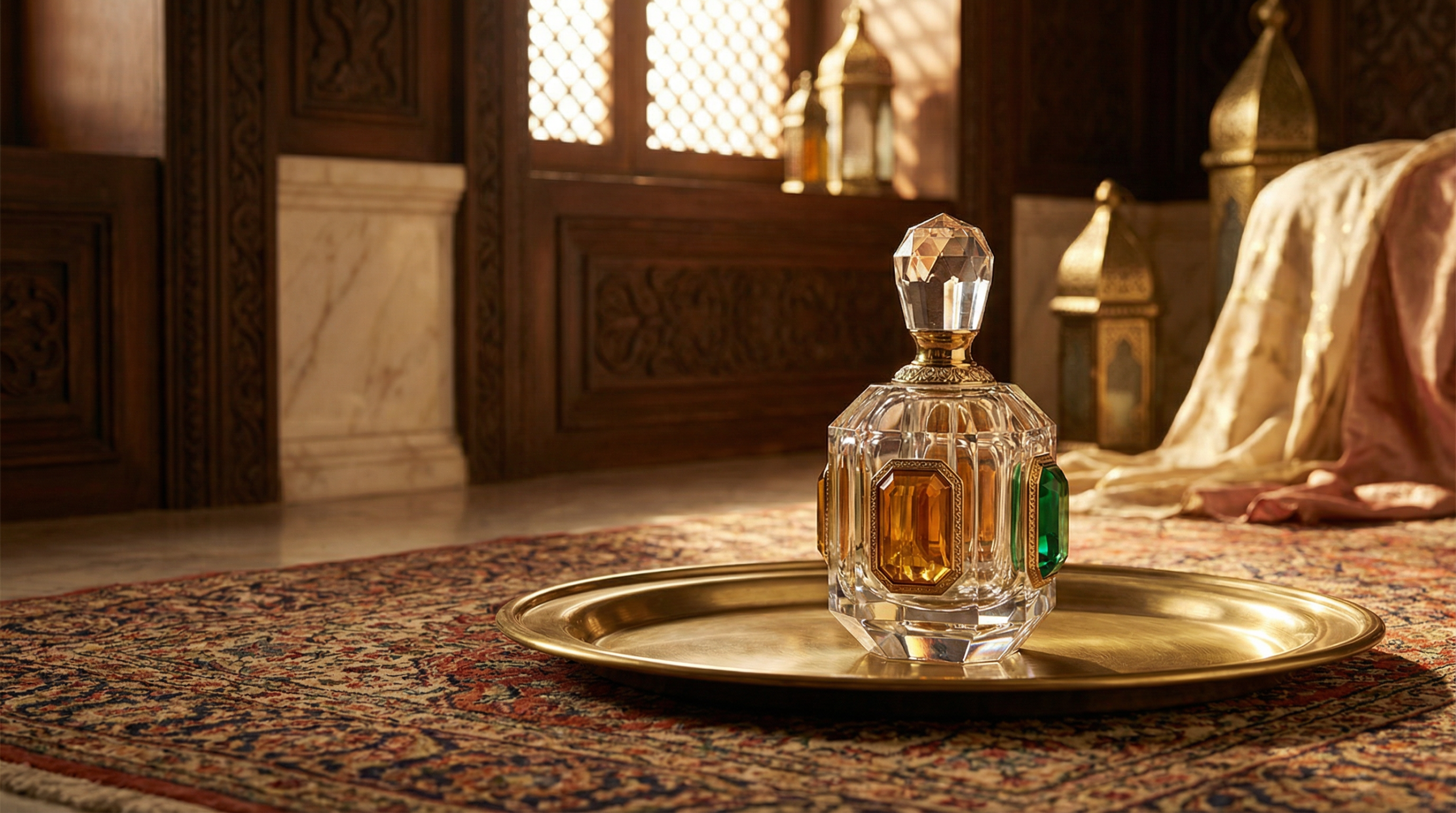

Understanding the Essence: The Unique Nature of Arabic Perfumes
Arabic perfumery stands apart from Western fragrances through its rich concentration, natural ingredients, and centuries-old traditions. Unlike alcohol-based eau de toilettes, traditional oriental fragrances feature oil-based attars, precious oud wood, and concentrated musks that develop differently on skin. These compositions demand a different approach to application and care.
The complexity of ingredients like aged oud, amber resin, and rare florals creates layered scent profiles that evolve over hours. Understanding this fundamental difference prevents common mistakes that can diminish the luxurious experience these fragrances offer. In 2026, as the global market increasingly appreciates Arabic perfumery, mastering proper techniques becomes essential for those seeking authentic elegance.
Beyond the Wrist Rub: Common Application Missteps and Traditional Etiquette
The most widespread error in fragrance application transcends cultures: rubbing wrists together after applying perfume. This seemingly harmless gesture actually generates friction and heat that breaks down delicate molecular structures. For complex oriental compositions containing precious oud and amber, this degradation alters the intended scent progression, often crushing the delicate top notes before they fully express themselves.
Traditional application methods honor the perfume’s integrity. Dabbing fragrance onto pulse points—wrists, behind ears, inner elbows, and at the base of the throat—without rubbing allows the natural body warmth to gently diffuse the aroma. This technique preserves the perfumer’s intended journey from bright opening notes through the heart and into the lasting base.
Another overlooked aspect involves timing. Applying concentrated Arabic perfumes immediately after showering, when skin is still slightly damp, enhances absorption and longevity. The hydrated skin acts as a superior canvas, holding fragrance molecules more effectively than dry skin.
Preserving the Aroma: Storage Blunders and Their Impact on Fragrance Integrity
The GCC climate presents unique challenges for perfume preservation. Heat and humidity actively degrade natural ingredients, particularly the organic compounds found in oud, rose, and sandalwood. Storing bottles on bathroom counters or near windows exposes them to temperature fluctuations and direct sunlight, both enemies of fragrance longevity.
Proper storage requires cool, dark, and stable environments. A bedroom drawer or dedicated fragrance cabinet away from heat sources protects these investments. For oil-based attars and concentrated perfumes, even brief exposure to excessive heat can alter their chemical composition, transforming a cherished scent into something unrecognizable.
Light exposure poses another threat, particularly to bottles with clear or lightly tinted glass. UV rays break down delicate molecules over time, causing discoloration and olfactory changes. Keeping fragrances in their original boxes provides additional protection, especially for treasured bottles meant to last years.
The Art of Selection: Avoiding Olfactory Overwhelm and Misguided Choices
Selecting Arabic perfumes based solely on initial impressions leads to frequent disappointment. The opening spritz of a complex oriental blend reveals only the volatile top notes—often bright citrus, spices, or florals—which evaporate within minutes. The true character emerges in the middle heart notes and lasting base, where oud, musk, and amber reveal their depth.
Testing perfumes properly requires patience. Apply a small amount to skin and wait at least thirty minutes to experience the full dry-down. What may seem sharp or overpowering initially often settles into sophisticated warmth. This evolution defines Arabic perfumery’s artistry, rewarding those who understand that time reveals truth.
Another selection mistake involves neglecting personal skin chemistry. The same perfume wears differently on various individuals due to skin pH, diet, and natural oils. Testing on your own skin, rather than relying solely on descriptions or others’ experiences, ensures compatibility with your unique chemistry.
Cultivating a Scent Signature: Personalizing Your Arabic Perfume Journey
Over-application represents perhaps the most counterproductive mistake with concentrated Arabic perfumes. Traditional attars and oud oils possess extraordinary potency—a single drop contains the intensity of multiple sprays of alcohol-based fragrances. Heavy-handed application creates an overwhelming cloud rather than an elegant aura, defeating the subtle artistry these perfumes embody.
The philosophy of “less is more” aligns with traditional perfumery wisdom. Starting with minimal application allows you to build gradually, understanding how the fragrance projects and evolves on your skin. This restraint also respects those around you, ensuring your scent enhances rather than dominates shared spaces.
Refining Your Ritual: Embracing the Future of Oriental Perfumery in 2026
Avoiding these common mistakes transforms perfume wearing from routine into ritual. Understanding the unique composition of Arabic fragrances—their oil bases, natural ingredients, and complex layering—informs every decision from selection through application and storage. These practices honor centuries of perfumery tradition while ensuring modern longevity and enjoyment.
Key Takeaways: Apply without rubbing to preserve molecular integrity. Store fragrances in cool, dark environments away from the GCC’s challenging climate. Allow thirty minutes to experience full dry-down before judging a scent. Hydrate skin before application for better absorption. Remember that concentration demands restraint—one drop of quality attar surpasses multiple sprays of diluted alternatives.
Mastering these principles elevates your relationship with fragrance from casual use to conscious appreciation, allowing each application to become an expression of personal elegance and cultural connection.