
No products added!
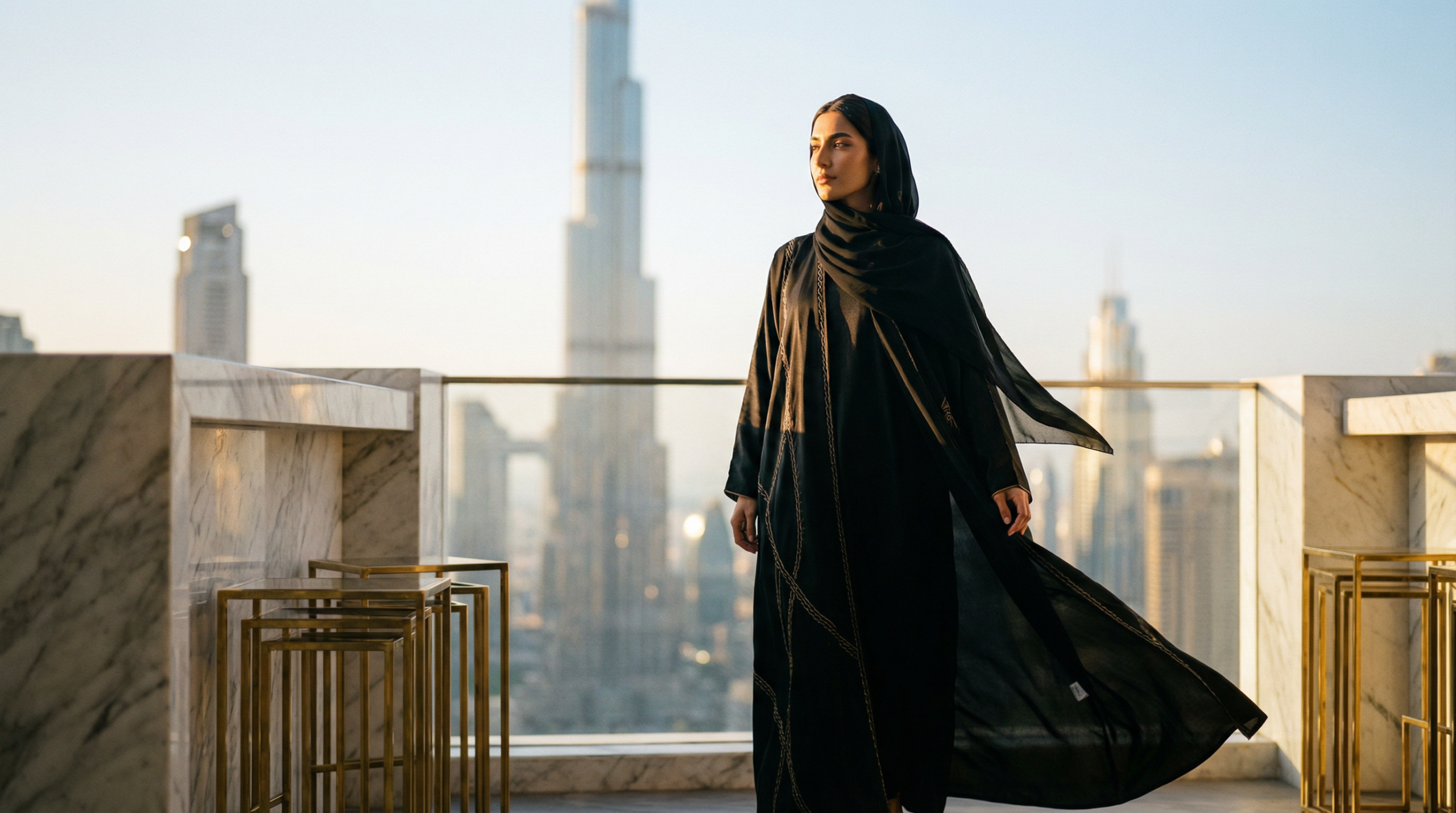

Understanding the Essence of Abaya Fabrics in the GCC Climate
Selecting the right abaya fabric in 2026 requires more than aesthetic preference—it demands an understanding of how materials perform in the unique climate of the UAE and broader GCC region. With temperatures routinely exceeding 40°C and humidity levels that can challenge even the most breathable textiles, the fabric beneath your abaya’s elegant drape becomes a critical decision.
The landscape of abaya fabrics has evolved significantly, with technological innovations now offering solutions that balance cultural modesty requirements with unprecedented comfort. This guide ranks fabrics across three tiers, helping you navigate choices from practical everyday options to investment-worthy luxury materials that transform the wearing experience.
The ‘Good’ Abaya Fabrics: Reliable Choices for Everyday Elegance (2026)
Standard polyester blends and basic Nida fabrics anchor the ‘Good’ category. These materials offer affordability and durability, making them sensible choices for daily wear situations where practicality outweighs luxury concerns.
Polyester-blend abayas provide wrinkle resistance and easy maintenance—qualities that matter when managing a busy lifestyle. These fabrics typically feature moderate opacity and acceptable drape, though they may retain heat more than premium alternatives. The sheen varies from matte to subtle luster, accommodating different style preferences.
Basic Nida, a staple in modest fashion wardrobes, delivers reliable coverage with a soft hand feel. While entry-level versions may lack the sophisticated drape of higher grades, they perform admirably for errands, casual gatherings, and situations where the garment might face wear and environmental exposure.
The ‘Better’ Abaya Fabrics: Elevated Comfort and Style (2026)
The middle tier introduces fabrics where comfort and aesthetic sophistication intersect. Korean Nida and premium crepe variations dominate this category, offering noticeable improvements in breathability and movement.
Korean Nida represents a significant upgrade from basic versions, featuring tighter weaves that create superior drape while maintaining excellent opacity. The fabric flows beautifully with each movement, creating the graceful silhouette that defines quality abaya construction. Its matte finish provides understated elegance suitable for both professional settings and social occasions.
Premium crepe fabrics, whether in pure form or high-quality blends, offer exceptional temperature regulation. The fabric’s natural texture provides subtle visual interest while allowing air circulation—a crucial consideration during Gulf summers. Crepe resists clinging, maintaining its structure even in humid conditions, and the slight texture disguises minor wrinkles that might appear throughout the day.
Chiffon overlays and georgette panels also enter this category, particularly in styles designed for evening events or special occasions where layered draping adds dimension and visual interest.
The ‘Best’ Abaya Fabrics: Unparalleled Luxury and Innovation (2026)
The pinnacle of abaya fabrics combines traditional luxury materials with cutting-edge textile innovations. Pure silk, premium Japanese Nida, and advanced technical blends define this category.
Silk abayas offer unmatched luxury—the fabric’s natural temperature-regulating properties make it surprisingly suitable for the GCC climate when properly constructed. The material’s natural sheen creates subtle elegance that elevates any occasion, while its breathability surpasses synthetic alternatives. However, silk demands careful maintenance and represents a significant investment.
Japanese Nida stands as the gold standard for synthetic abaya fabrics in 2026. The exceptional weaving techniques produce material with extraordinary drape characteristics and a hand feel approaching natural fibers. The fabric maintains perfect opacity while remaining remarkably lightweight, and its durability justifies the premium price point.
Innovative technical blends incorporating moisture-wicking fibers and temperature-adaptive materials now serve discerning buyers seeking performance without compromising luxury aesthetics. These fabrics represent the convergence of fashion and function, though availability remains limited compared to traditional options.
Seasonal and Occasion-Based Fabric Selection: A Discerning Approach
Winter months in the GCC, mild though they are, create opportunities for heavier fabrics like wool blends and velvet accents. These materials add textural richness while remaining comfortable during cooler evenings.
For formal events, prioritize fabrics with excellent drape and subtle sheen—silk, high-grade Nida, or premium crepe. Daily wear benefits from practical choices: wrinkle-resistant blends and easy-care options that withstand frequent use.
Consider the abaya style when selecting fabric. Butterfly cuts require materials with sufficient body to maintain their shape, while open abayas showcase drape quality, making fabric choice particularly visible.
Caring for Your Abaya: Preserving Fabric Integrity
Each fabric category demands specific care protocols. Silk requires professional cleaning or gentle hand washing with pH-neutral detergents. Premium Nida tolerates machine washing on delicate cycles but benefits from air drying to preserve its structure.
Store abayas on padded hangers to maintain shoulder lines and prevent creasing. Avoid prolonged sun exposure, which can fade even colorfast fabrics over time.
Steam pressing works beautifully for most categories, offering wrinkle removal without the potential damage of direct iron contact.
Understanding fabric categories empowers informed decisions aligned with your lifestyle, budget, and wearing occasions. The ‘Good, Better, Best’ framework provides guidance, but personal comfort and cultural context ultimately determine the right choice for your wardrobe.