No products added!

The Essence of ‘Scented Stories’: Why Fragrance at Lit Fest 2026?
Literary festivals have always been multisensory experiences, and Lit Fest 2026 promises to be no exception. Beyond the words on pages and the voices of celebrated authors, fragrance adds an invisible dimension that transforms how attendees experience the event. In Middle Eastern culture, the relationship between scent and storytelling runs centuries deep—from the incense-filled majlis to the perfume-scented love letters of classical Arabic literature.
Choosing the right fragrance for a literary festival isn’t merely about smelling pleasant. It’s about creating an olfactory bookmark that will forever link this cultural experience to a specific scent memory. When you catch that same note months later, it will transport you back to the panel discussion or poetry reading that moved you.
For fashion-conscious attendees who value cultural authenticity, selecting fragrances rooted in Middle Eastern perfumery traditions creates a bridge between heritage and contemporary cultural engagement.
Aromatic Narratives: Diving into Middle Eastern Perfumery Heritage
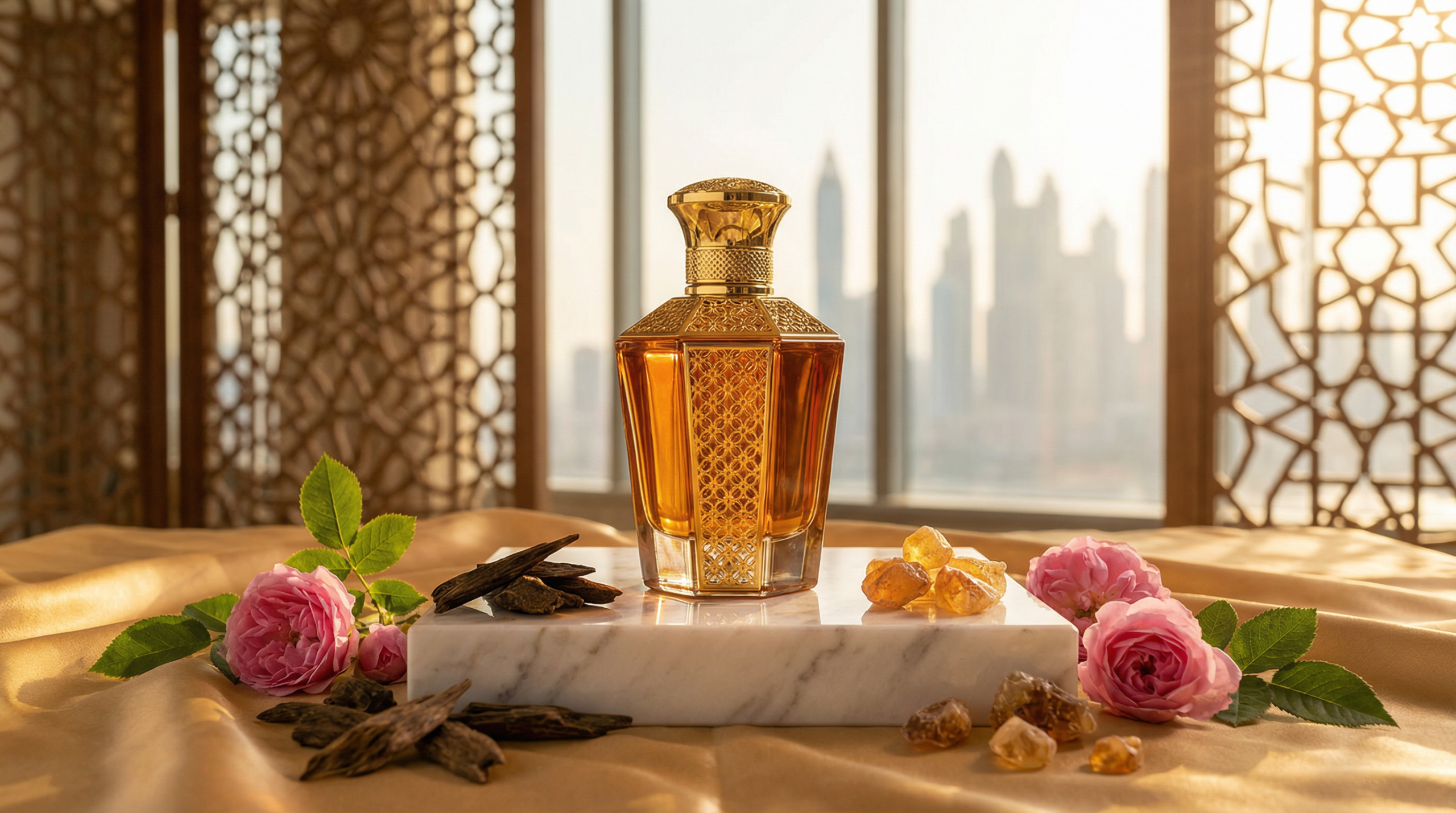
Middle Eastern perfumery tells stories that date back millennia. The region’s fragrance traditions are built on precious natural ingredients—oud wood from Southeast Asia, Arabian jasmine, Damascus rose, and amber resin—each carrying profound cultural significance.
Traditional attars, or concentrated perfume oils, have long been treasured for their longevity and depth. Unlike alcohol-based perfumes, these oil-based elixirs develop uniquely on each person’s skin, creating intimate, personalized scent signatures. The practice of layering bakhoor smoke into clothing before applying attar, then finishing with a lighter spray, represents an art form passed down through generations.
Understanding these traditions enhances appreciation for why certain fragrance combinations resonate so powerfully in GCC culture. They’re not trends—they’re threads in a rich tapestry of regional identity.
Curated Pairings: Fragrances for Every Literary Mood at Lit Fest 2026
For Scholarly Panels and Historical Fiction Sessions: Choose grounding, contemplative notes. Cambodian oud paired with aged sandalwood creates the intellectual gravitas appropriate for deep discussions. These woody, meditative scents promote focus without overwhelming enclosed seminar spaces.
For Poetry Readings and Romantic Literature: Opt for florals with Middle Eastern character—taif rose combined with white musk offers elegance and emotion. Jasmine sambac layered with subtle amber adds warmth that mirrors the passion of spoken verse.
For Contemporary Fiction and Author Meet-and-Greets: Modern interpretations work beautifully here. Consider clean musks with hints of saffron, or bergamot-infused blends that feel fresh yet culturally rooted. These lighter compositions allow conversation to flow while maintaining sophisticated presence.
For Evening Galas and Award Ceremonies: This is when rich, complex compositions shine. Hindi oud blended with precious rose and smoky incense notes creates memorable impact. These are fragrances that make statements while honoring traditional formulations.
The Art of Scent Layering: Crafting Your Signature Festival Aura
Mastering layering techniques transforms good fragrance choices into extraordinary ones. Begin with bakhoor the evening before, allowing smoke to gently perfume your intended outfit. The fabric absorbs these base notes subtly.
On the day of the event, apply attar to pulse points—wrists, behind ears, and the base of the throat. These concentrated oils provide the heart of your fragrance story. Allow fifteen minutes for the attar to settle and warm on your skin before adding the final layer.
Finish with a light mist of a complementary alcohol-based perfume, sprayed into the air and walked through rather than applied directly. This creates a delicate sillage without overwhelming nearby attendees in discussion groups or readings.
The key is restraint—literary festivals involve close quarters and focused attention. Fragrance should enhance your presence, not announce it from across the venue.
Perfume and Well-being: Holistic Benefits of Oriental Blends
Middle Eastern perfumery has always understood the wellness dimensions of scent. Natural oud contains compounds believed to promote mental clarity and reduce stress—ideal for long festival days filled with intellectual stimulation. Rose oil has calming properties that can ease the social anxiety some feel at crowded cultural events.
Amber and sandalwood are considered grounding, helping maintain presence and focus during multi-hour programs. These aren’t merely pleasant aromas—they’re functional wellness tools that support your festival experience holistically.
The shift toward natural ingredients in 2026 reflects growing awareness of these traditional benefits, as modern perfumery rediscovers wisdom that Middle Eastern culture never abandoned.
East Meets West: Harmonizing Traditional Elixirs with Modern Sensibilities
Contemporary GCC fragrance enthusiasts skillfully blend heritage and modernity. Traditional ingredients remain central, but application methods and combinations evolve. Lighter concentrations suit daytime panels, while reserve richer formulations for evening events.
This balanced approach respects cultural roots while acknowledging the realities of modern, mixed cultural gatherings. International authors and regional attendees alike appreciate fragrances that tell Middle Eastern stories without overwhelming those unfamiliar with concentrated traditional formulations.