
No products added!
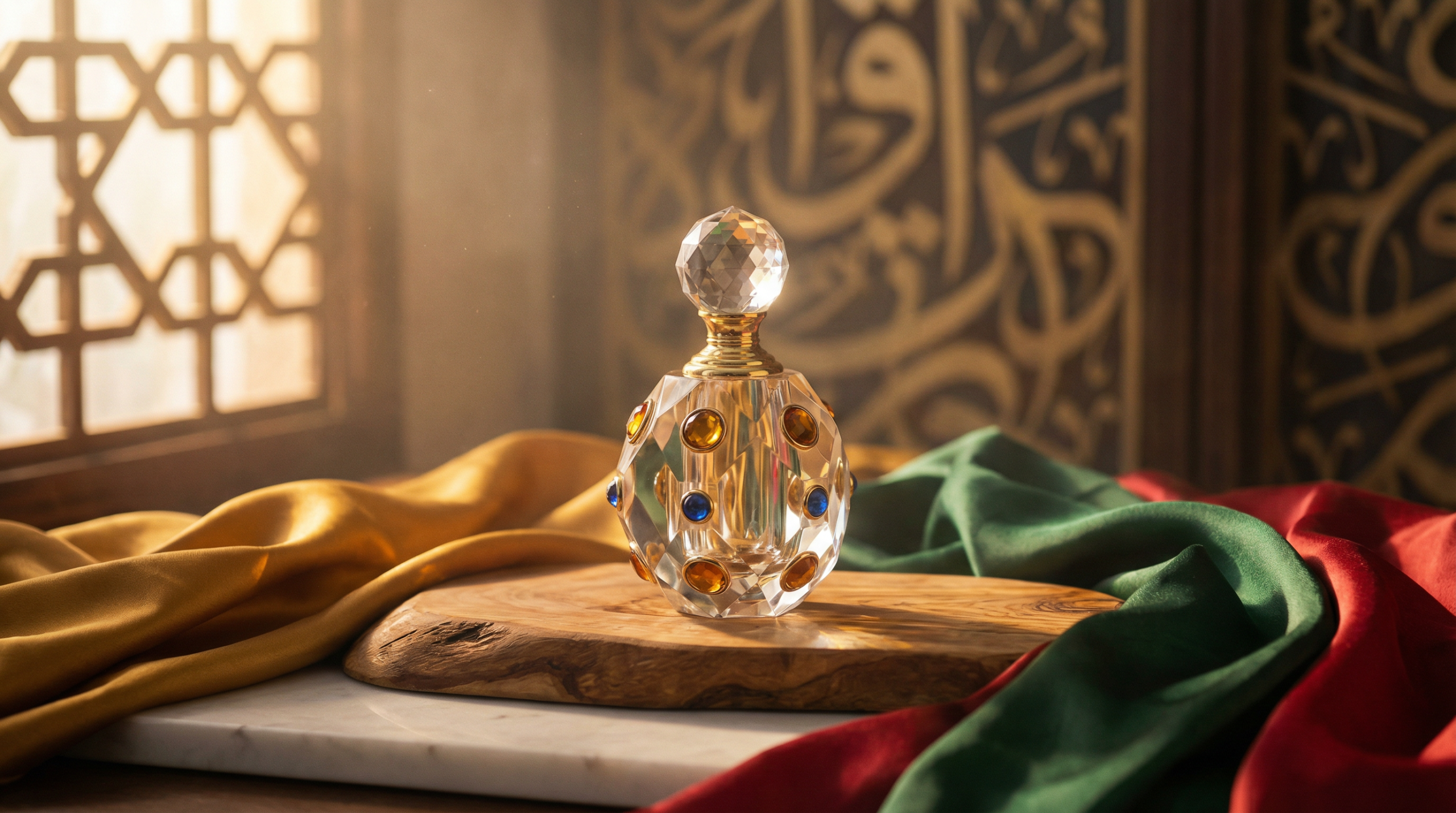

Rediscovering the Ancient Art of GCC Perfumery
The Gulf region’s fragrance heritage extends far beyond the now-ubiquitous oud that dominates contemporary perfume conversations. While oud has rightfully claimed its place in global luxury perfumery, the GCC’s olfactory traditions encompass a rich tapestry of rare ingredients and time-honored blending techniques that predate modern perfume houses by centuries.
In 2026, a quiet renaissance is unfolding as perfume enthusiasts and artisanal perfumers rediscover these forgotten treasures. These lost secrets represent more than mere ingredients—they embody centuries of maritime trade, Bedouin wisdom, and the sophisticated tastes of ancient Arabian courts. Understanding these elements offers a deeper appreciation for the region’s contribution to global fragrance culture.
The Allure of Ambergris: A Maritime Mystery Resurfacing
Ambergris, the legendary oceanic treasure once worth more than gold, is experiencing renewed interest among luxury fragrance connoisseurs. This rare substance, formed naturally in the digestive systems of sperm whales and aged by seawater over decades, has been prized along the GCC coastlines for millennia.
The scent profile of ambergris defies simple description—simultaneously marine, earthy, sweet, and animalic. It possesses an unparalleled ability to anchor and extend other fragrance notes while adding depth and complexity. Historically, Emirati and Omani traders built fortunes on ambergris discoveries along Gulf shores.
In 2026, ethical sourcing practices focus exclusively on naturally beached specimens, making genuine ambergris-based fragrances exceptionally rare and valuable. Those fortunate enough to experience authentic ambergris understand why ancient Arabian perfumers considered it irreplaceable.
Misk (Musk) — More Than Just a Base Note: Its Historical Significance and Modern Revival
Traditional misk holds profound cultural significance throughout the GCC, particularly in religious and ceremonial contexts. The classical Arabian musk—whether derived from plant sources like ambrette seeds or historically from animal glands—represents purity, sensuality, and spiritual elevation in Islamic tradition.
Modern ethical alternatives have sparked renewed creativity in musk-based perfumery. Contemporary artisans are reviving historical formulations that layer multiple musk varieties, creating fragrances of extraordinary depth and longevity. These complex musk blends offer warmth and intimacy that synthetic versions struggle to replicate.
The 2026 trend leans toward embracing musk as a starring ingredient rather than merely a supporting player, reflecting a return to the Arabian perfumery principle that true luxury requires patience and mastery.
Fragrant Resins Beyond Bakhoor: Frankincense and Myrrh in Contemporary Blends
While bakhoor remains beloved in GCC homes, the individual resins—particularly high-grade Omani frankincense and Yemeni myrrh—are being reimagined in liquid perfume formulations. These sacred resins carry millennia of spiritual and cultural weight, having been traded along Arabian incense routes since ancient times.
Premium frankincense varieties offer notes ranging from crystalline citrus to pine-like freshness, while myrrh contributes bitter-sweet warmth and medicinal complexity. Master perfumers are now showcasing these resins in ways that honor their heritage while appealing to contemporary sensibilities.
The 2026 approach highlights single-note resin fragrances or carefully balanced combinations that allow these ancient materials to speak clearly, unmasked by heavy synthetic additions.
Floral Elixirs of the Desert: Rare Rose and Jasmine Varieties
The GCC’s relationship with florals extends beyond imported French roses to include remarkable regional varieties. Taif roses from the Arabian Peninsula’s mountainous regions produce an intensely concentrated, honey-like essence quite distinct from Damascus or Turkish varieties.
Similarly, indigenous jasmine species that thrive in the Gulf’s challenging climate offer unique olfactory profiles—some more indolic and sensual, others fresher and greener. Traditional extraction methods, including enfleurage and careful distillation, preserve nuances often lost in industrial processing.
These desert-adapted florals carry stories of resilience and adaptation, making them particularly meaningful for those seeking fragrances rooted in regional identity.
Unearthing the Untamed: Wild Herb Infusions for a Distinctive Sillage
Perhaps the most overlooked category involves wild herbs and aromatic plants native to the Arabian Peninsula. Artemisia, desert lavender, and various indigenous sages create distinctly untamed, sophisticated fragrance profiles rarely found in mainstream perfumery.
These materials ground perfumes in the landscape itself—sun-baked earth, windswept dunes, and hardy vegetation that survives extreme conditions. They add green, bitter, or camphoraceous notes that challenge and intrigue educated noses.
Forward-thinking perfumers are incorporating these elements to create fragrances that feel authentically regional rather than generically “Middle Eastern.”
The Path Forward: Embracing Heritage in Modern Perfumery
These five fragrance categories represent just the beginning of the GCC’s hidden olfactory wealth. As 2026 unfolds, the most discerning fragrance enthusiasts are moving beyond trend-driven purchases toward perfumes that tell genuine stories and connect them to cultural roots.
Understanding these lost secrets enriches personal fragrance choices and supports artisanal perfumers preserving traditional knowledge. The true luxury lies not in following trends but in appreciating the historical depth and craftsmanship behind each ingredient.