
No products added!
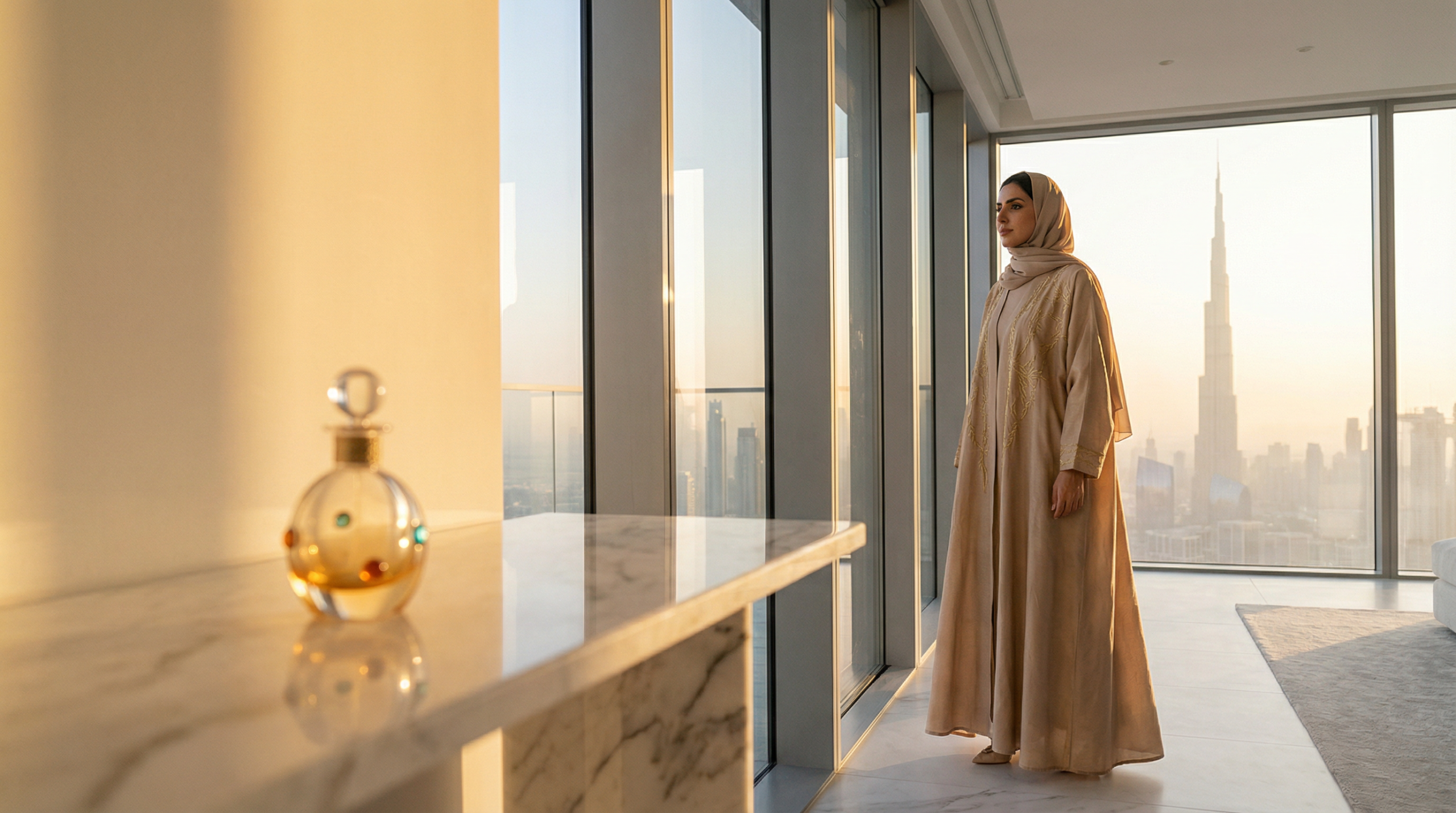

Defining Sustainable Luxury in the New Era of Modest Fashion and Perfumery
The concept of sustainable luxury has evolved dramatically in 2025, particularly within the modest fashion and luxury perfume industries serving the UAE and GCC markets. This transformation represents more than environmental consciousness—it embodies a philosophical shift toward mindful consumption that aligns with Islamic values of stewardship and respect for resources.
Sustainable luxury in this context means investing in pieces crafted with intention, using materials sourced ethically, and supporting production methods that honor both artisans and the environment. For fashion-conscious Muslim women, this approach resonates deeply with the principle of ihsan—excellence and beauty in all things—while acknowledging responsibility toward future generations.
The modest fashion sector has particularly embraced this evolution, recognizing that true luxury lies not in excess but in quality, longevity, and the stories woven into each garment and fragrance.
The Art of Crafting Conscious Scents: Ingredient Sourcing and Gemstone Infusion
Traditional Arabic perfumery has always valued purity and authenticity, making the transition to sustainable practices a natural progression rather than a radical departure. Ingredients like oud, amber, and saffron—cornerstones of Middle Eastern fragrance—are now being sourced with greater attention to ecological impact and community welfare.
Ethical oud sourcing, for instance, involves cultivating agarwood trees sustainably rather than relying solely on wild harvesting. This approach ensures the preservation of forests while supporting local communities who have practiced these traditions for generations.
The gemstone infusion trend in luxury perfumery represents an intersection of ancient beliefs and modern sustainability. Rather than marketing gimmick, incorporating rose quartz, amethyst, or jade into fragrance formulations connects to historical practices where minerals were believed to enhance scent properties and energetic qualities. When done responsibly, using ethically sourced stones and clean extraction methods, this practice honors tradition while meeting contemporary environmental standards.
Modern distillation techniques have also evolved to reduce water consumption and energy use, with many perfume houses adopting cold-pressing and CO2 extraction methods that preserve ingredient integrity while minimizing environmental impact.
Ethical Elegance: Sustainable Design Innovations in Abayas and Kaftans for 2025
The abaya and kaftan design landscape in 2025 reflects a sophisticated understanding of sustainable luxury. Designers are increasingly turning to organic silk, peace silk (where the silkworm completes its lifecycle), sustainable linen, and innovative materials derived from recycled sources.
These fabrics aren’t compromises—they represent the pinnacle of quality. Organic silks offer the same lustrous drape as conventional varieties while ensuring chemical-free cultivation. Sustainable linen, particularly when sourced from European flax farms using time-honored methods, provides breathability perfect for the Gulf climate while supporting regenerative agriculture.
The design philosophy has shifted toward timeless elegance rather than seasonal trends. Contemporary abayas feature classic cuts enhanced with subtle, enduring embellishments—hand embroidery, minimalist beading, or architectural draping that transcends passing fashions. This approach embodies slow fashion principles, encouraging investment in fewer, better pieces that serve wardrobes for years.
Ethical production extends beyond materials to encompass fair labor practices, transparent supply chains, and support for artisan communities. Many ateliers now maintain long-term relationships with craftspeople, ensuring traditional embroidery and beading techniques are preserved and fairly compensated.
Preserving Heritage: Traditional Arabic Perfume Artistry Meets Modern Sustainability
Arabic perfumery’s centuries-old traditions align naturally with sustainable practices. The attar method—distilling essential oils into a base of sandalwood or other carrier oils—requires patience, skill, and respect for ingredients. This slow, artisanal approach contrasts sharply with mass production, resulting in complex, long-lasting fragrances that embody sustainable luxury principles.
Master perfumers in the region are rediscovering forgotten botanical ingredients native to the Arabian Peninsula, reducing transportation impacts while celebrating local heritage. Frankincense from Oman, rose from Taif, and various desert botanicals are being cultivated sustainably and incorporated into contemporary formulations.
The knowledge transfer from master perfumers to apprentices ensures these traditions survive while adapting to modern ethical standards. This mentorship model preserves not just techniques but the cultural significance embedded in fragrance creation—an intangible heritage as valuable as the scents themselves.
Beyond Trends: Embracing a Conscious Lifestyle in the UAE/GCC
Sustainability in the GCC context reflects broader cultural values. Islamic teachings emphasize balance, moderation, and stewardship of Earth’s resources—principles that inform conscious luxury consumption. The region’s increasing focus on environmental initiatives, from renewable energy to conservation projects, creates a cultural framework supporting sustainable fashion and perfumery choices.
For individuals, embracing sustainable luxury means curating rather than accumulating. It involves asking meaningful questions: Where did this fabric originate? Who crafted this embroidery? How was this oud harvested? These inquiries transform shopping into an intentional practice aligned with personal values.
The movement toward sustainable luxury also recognizes that tradition and innovation aren’t opposing forces. The most exciting developments in modest fashion and perfumery honor heritage while employing modern techniques that reduce environmental impact and support artisan communities.