
No products added!

The Genesis of Scent: Where Perfumer’s Vision Meets Inspiration
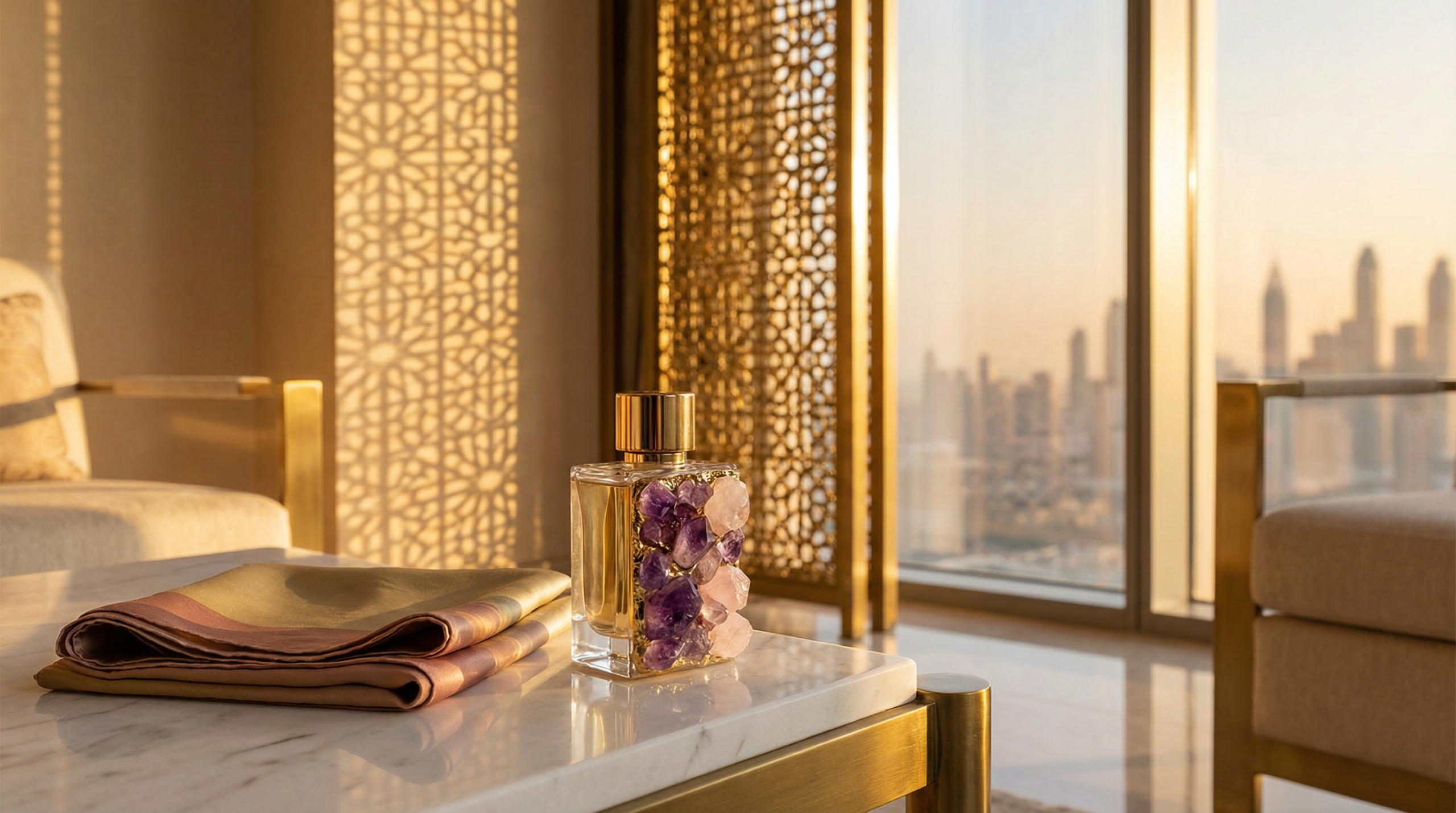
The creation of a luxury perfume begins not in a laboratory, but in the quiet moments of observation and memory. Master perfumers draw inspiration from the world around them—the way sunlight filters through a mashrabiya screen, the scent of oud burning in a majlis, or the delicate rustle of silk against skin.
In Arabic perfumery traditions, these inspirations carry profound cultural weight. A perfumer might recall childhood memories of rose water sprinkled during celebrations, or the warm embrace of amber worn by beloved family members. These sensory memories become the emotional foundation of a fragrance, ensuring each creation tells a story that resonates with cultural authenticity.
The process requires patience and intuition. Perfumers spend months, sometimes years, refining a single concept. They ask themselves: What emotion should this evoke? What memory should it awaken? For the Middle Eastern market, these questions often circle back to heritage, celebration, and the sophisticated elegance that defines modest fashion aesthetics.
Journey Through Ingredients: Sourcing for Distinction and Sustainability
The pursuit of exceptional ingredients has always defined luxury perfumery, but 2025 marks a decisive shift toward ethical sourcing and sustainability. Perfumers now work closely with farmers and distillers across the Arabian Peninsula, India, and beyond to ensure ingredients are harvested responsibly.
Natural oud, one of the most precious materials in perfumery, exemplifies this evolution. Sustainable cultivation methods have emerged to protect wild agarwood trees while meeting growing demand. Similarly, rose absolute from Taif and saffron from certified sources reflect the industry’s commitment to preserving both quality and ecosystem balance.
This emphasis on provenance appeals to eco-conscious luxury consumers who understand that true elegance extends beyond personal adornment. Knowing that ingredients are ethically sourced adds another layer of meaning to the fragrances worn daily, aligning with the values of mindful consumption increasingly embraced across the GCC.
The Art of Blending: Crafting Olfactory Narratives in Arabic Perfumery
Blending is where technical mastery meets artistic vision. Traditional Arabic perfumery employs layering techniques that create depth and longevity—qualities essential for fragrances that must withstand the region’s climate while evolving gracefully throughout the day.
The perfumer’s secret lies in understanding how notes interact over time. Top notes provide the initial impression, heart notes reveal the character, and base notes ensure lasting presence. In Arabic compositions, this often means balancing bright citrus or saffron against rich woods and resins, creating the warm, enveloping signature beloved in the region.
Maturation plays a crucial role that consumers rarely see. After blending, perfumes rest for weeks or months, allowing molecular bonds to form and harmonize. This patience cannot be rushed—it’s the difference between a fragrance that simply smells pleasant and one that tells a complete olfactory story.
Some contemporary perfumers incorporate gemstone infusions, believing that the energetic properties of stones like amethyst or rose quartz subtly influence both scent development and wearer experience. While this practice bridges ancient wisdom with modern luxury, it remains one of perfumery’s most intriguing and closely guarded techniques.
Beyond the Bottle: The Cultural Resonance of Scent in Modest Fashion
The philosophy of modest fashion—elegance through restraint, beauty in subtlety, and pride in cultural heritage—finds its perfect complement in thoughtfully crafted fragrances. Both celebrate the art of layering, whether fabrics or scent notes, to create sophisticated impressions.
Just as modest fashion emphasizes quality over quantity, perfumery values concentration and complexity over fleeting trends. A well-chosen fragrance becomes part of personal identity, much like a signature abaya cut or preferred hijab draping style. This connection runs deep in Gulf culture, where scent is integral to hospitality, celebration, and daily ritual.
Modern perfumers understand this cultural context. They create fragrances that complement rather than overwhelm, that linger in rooms and memories without announcing themselves aggressively. This approach mirrors the modest fashion ethos: confidence expressed through refinement rather than ostentation.
Anticipating 2025: Innovation, Tradition, and the Future of Fragrance Artistry
As we move through 2025, the perfumery landscape reflects both technological advancement and renewed appreciation for traditional methods. Molecular analysis allows perfumers to deconstruct and recreate rare ingredients with precision, while artisanal distillation techniques preserve the soul of natural materials.
The future belongs to perfumers who honor heritage while embracing innovation. This means using sustainable practices without compromising olfactory excellence, incorporating modern preferences while respecting classical Arabic compositions, and creating fragrances that speak to both local traditions and global sophistication.
Key Takeaways for Fragrance Enthusiasts:
Understanding the artistry behind perfume creation enriches the wearing experience. Recognize that exceptional fragrances require time, skill, and cultural knowledge to create. When selecting personal scents, consider how they align with your values—sustainability, cultural authenticity, and craftsmanship. The most successful fragrances of 2025 will be those that honor tradition while thoughtfully embracing the future, much like the evolution of modest fashion itself. Quality, intention, and cultural resonance will always distinguish truly luxurious perfumery from mere products.