
No products added!
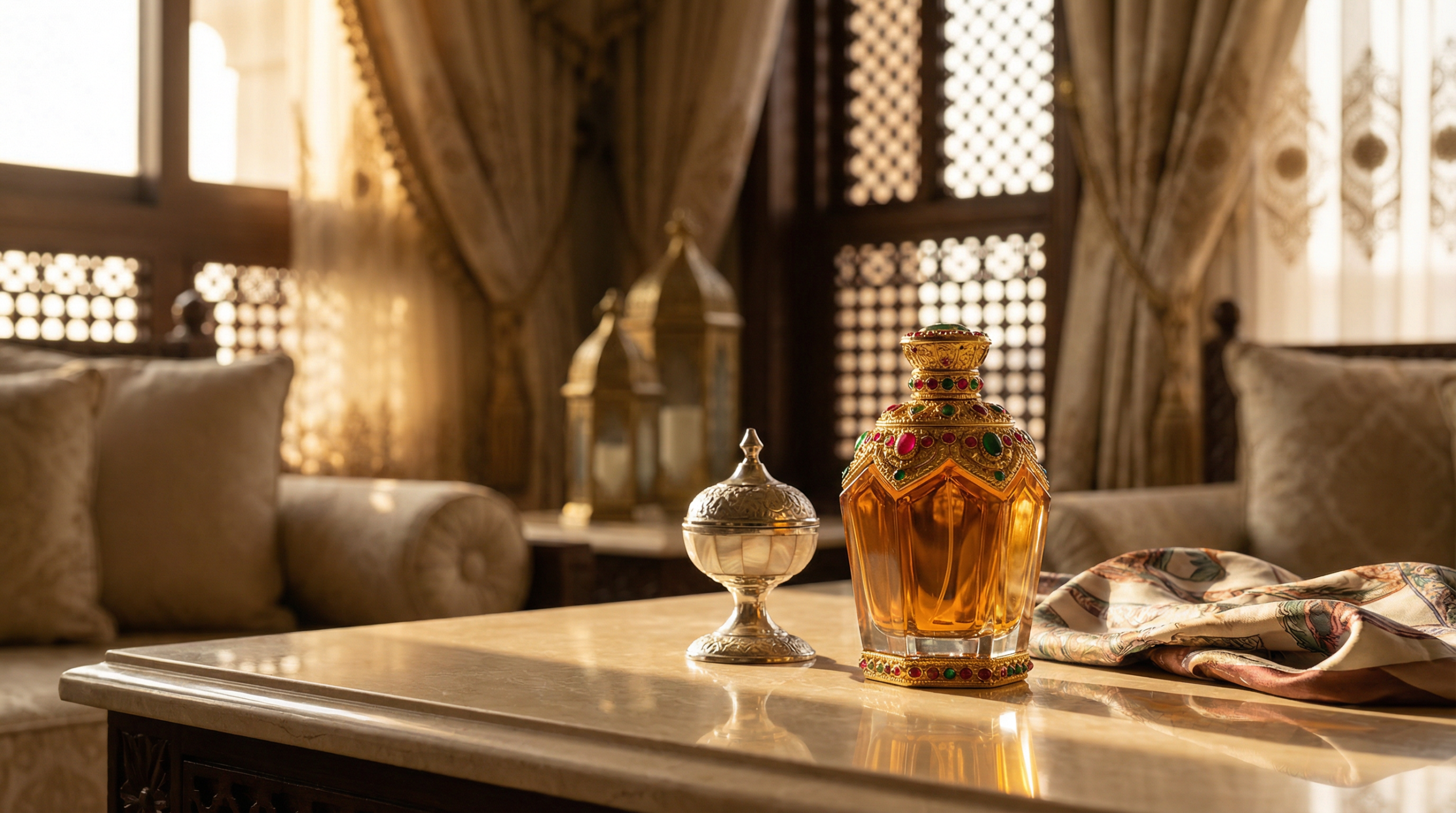

The Enduring Legacy: Oriental Perfumery’s Historical Roots
Oriental perfumery traces its origins to ancient trade routes where spices, resins, and precious woods changed hands alongside gold and silk. In the bustling souks of the Arabian Peninsula, perfume-making was elevated to an art form, with master perfumers blending rare ingredients according to formulas passed down through generations.
These traditional marketplaces were more than commercial spaces. They were cultural hubs where knowledge of distillation techniques, ingredient properties, and blending ratios was shared among craftsmen. The perfume souk represented a living library of olfactory wisdom, where each bottle told a story of heritage and craftsmanship.
In 2025, this historical foundation remains relevant. The techniques refined over centuries—from cold-pressing to distillation—continue to influence how contemporary perfumers approach their craft. Understanding this lineage helps modern consumers appreciate why Oriental fragrances possess such distinctive character and depth.
Beyond the Souk: Signature Ingredients and Their Cultural Resonance
Oud stands as the cornerstone of Oriental perfumery. Derived from agarwood trees, this resinous ingredient produces a rich, woody aroma that has graced Middle Eastern homes and gatherings for millennia. Its complexity and longevity make it irreplaceable in premium formulations.
Sandalwood offers a creamy, meditative quality that balances heavier notes. Historically used in religious ceremonies and personal adornment, this ingredient bridges spiritual and aesthetic realms. Its calming properties align perfectly with the wellness-focused approach gaining prominence in 2025.
Amber and musk add warmth and sensuality to compositions. These base notes create the lasting impression that Oriental perfumes are celebrated for. When combined with rose, saffron, or frankincense, they produce the distinctive profiles that resonate deeply with GCC consumers who value authenticity and cultural connection.
Modern Metamorphosis: East-West Fusion in 2025’s Oriental Scents
The contemporary perfumery landscape showcases fascinating hybrid creations. Traditional Oriental bases now incorporate unexpected elements—citrus sparkle, floral transparencies, or marine accords—creating sophisticated profiles that appeal to globally-minded consumers.
This fusion respects heritage while embracing innovation. A classic oud composition might be lightened with bergamot or enhanced with iris, making it suitable for both formal occasions and everyday wear. The result is versatility without compromising the essential character that defines Oriental fragrances.
Young professionals in Dubai and Riyadh particularly appreciate these modern interpretations. They seek scents that honor their cultural identity while fitting seamlessly into international business environments. The East-West approach delivers this balance, offering complexity and refinement in equal measure.
The Art of Scented Serenity: Perfume as a Wellness Ritual
Beyond aesthetics, Oriental perfumery has always embraced holistic benefits. The practice of applying attar or applying bakhoor for spiritual cleansing demonstrates how fragrance intersects with well-being in Middle Eastern traditions.
In 2025, this wellness dimension has gained renewed attention. Natural ingredients like frankincense and myrrh are valued not only for their aromatic qualities but also for their grounding and clarifying properties. Sandalwood’s stress-relieving effects make it particularly relevant in today’s fast-paced urban lifestyle.
Incorporating perfume into mindful daily rituals—applying it with intention, choosing scents that align with emotional needs—transforms fragrance from mere accessory to self-care practice. This approach resonates with consumers seeking authentic experiences rather than superficial luxury.
The Future of Fragrance: Gemstone Infusions and Conscious Craftsmanship
Gemstone-infused perfumery represents an intriguing evolution. Based on traditional beliefs about crystals’ energetic properties, these formulations combine aromatherapy with vibrational healing concepts. Rose quartz for love, amethyst for clarity—these additions appeal to wellness-conscious consumers.
Sustainability has become non-negotiable. Discerning buyers in the GCC increasingly demand transparency about ingredient sourcing, particularly regarding precious materials like oud and sandalwood. Ethical harvesting and fair trade practices are now expectations rather than differentiators.
Artisanal craftsmanship is experiencing a renaissance. Hand-blended formulations using time-honored techniques command respect in a market saturated with mass-produced options. This return to authentic creation methods ensures Oriental perfumery’s future remains rooted in its storied past.
Key Takeaways for Your Fragrance Journey
Oriental perfumery in 2025 stands at a remarkable intersection of tradition and innovation. Its enduring appeal stems from cultural authenticity combined with evolving sophistication. When selecting fragrances, consider how traditional ingredients like oud and sandalwood align with your personal style and wellness goals.
The East-West fusion trend offers exciting opportunities to find scents that honor heritage while embracing contemporary sensibilities. Prioritize quality over quantity, seeking formulations with natural ingredients and ethical sourcing practices. Your fragrance choice becomes more meaningful when it reflects both cultural pride and personal values—a modern luxury that transcends mere scent.